Loading…
Venue: Montreal 6 clear filter
arrow_back View All Dates
Wednesday, May 6
 

8:30am EDT

Weathering the Storm: Disaster Preparedness and Climate Resilience in GLAMs
Wednesday May 6, 2026 8:30am - 9:30am EDT
This pre-coordinated panel, organized by the Museum Library Division, will feature speakers from galleries, libraries, archives, and museums (GLAMs). Panelists will speak on experiences and preventive measures taken with various environmental crises, including fires, floods, and tornadoes. Utilizing a case study approach, panelists will draw on personal experiences with disasters and their impact on work practices. The theme of resistance will be explored in how staff prioritize collection care, access policies, and well-being during times of disasters in GLAM environments. Attendees will come away from this panel with resources on disaster preparedness to spark dialogue and action in the ARLIS/NA community.

Documenting Disaster: The Role of Technical Services and Archival Work in Times of Severe Weather
Speakers: Jenna Stout, Rebecca Brown-Gregory
This paper will explore the intersection of technical services and archival work in documenting past disasters and historic building vulnerabilities while also preparing for future disasters. In the wake of ongoing environmental events, including recent tornado activity, and infrastructure deterioration, it is more important than ever to have continuity of operations in place. Art museum library workers will speak on the significance of cataloging and making accessible past institutional reports on environmental risks. The paper will also dive into departmental efforts, ranging from the creation of disaster kits to the flagging of priority collections for first responders, and overall maintenance of institutional knowledge.

The Emotional Toll of Protecting Archival Memory in the Path of the Los Angeles Fires
Speaker: Lola Jalbert
I began an internship with the Feuchtwanger Memorial Library (housed in USC Special Collections) last January as the Los Angeles fires broke out. Part of the collection is housed at USC and was untouched by the fires, but other materials are stored in a house in the Pacific Palisades, where the fires began. I am interested in drawing on my personal experience, as well as the experiences of other involved parties, to argue that emotional resilience is as much a part of disaster preparedness as bureaucracy and logistics.

“A Plan, and Not Quite Enough Time”: My Journey Through Disaster Planning, Recovery, and Management for Audiovisual Archives
Speaker: Linda Smith
I have interned at two sites that experienced significant flooding and while almost no AV materials were significantly destroyed, some changes to the space/storage were made (while other changes could or have not be made); students from my program were also involved in flood recovery to an AV archive and I have spoken with the archives director about those efforts and the aftermath of the flood; I will be approaching this from a research/case study methodology, utilizing interviews with those directly involved to emphasize the need for greater attention to this issue and how different care can look for AV materials/collections.
Moderators
avatar for Rebekah Boulton

Rebekah Boulton

Public Service and Instruction Librarian, Museum of Fine Arts, Houston
Speakers
avatar for Jenna Stout

Jenna Stout

Museum Archivist, Saint Louis Art Museum
RB

Rebecca Brown-Gregory

Technical Services Librarian, Saint Louis Art Museum
avatar for Linda Smith

Linda Smith

Linda is an archivist and librarian who is deeply committed to working with community and art archives. She also works to demystify archival training, to empower all who are interested in supporting community memory. After interning at two places that flooded, she chose to marry her... Read More →
LJ

Lola Jalbert

SJSU MLIS Student and Intern at USC Special Collections

Sponsors
Wednesday May 6, 2026 8:30am - 9:30am EDT
Montreal 6

9:45am EDT

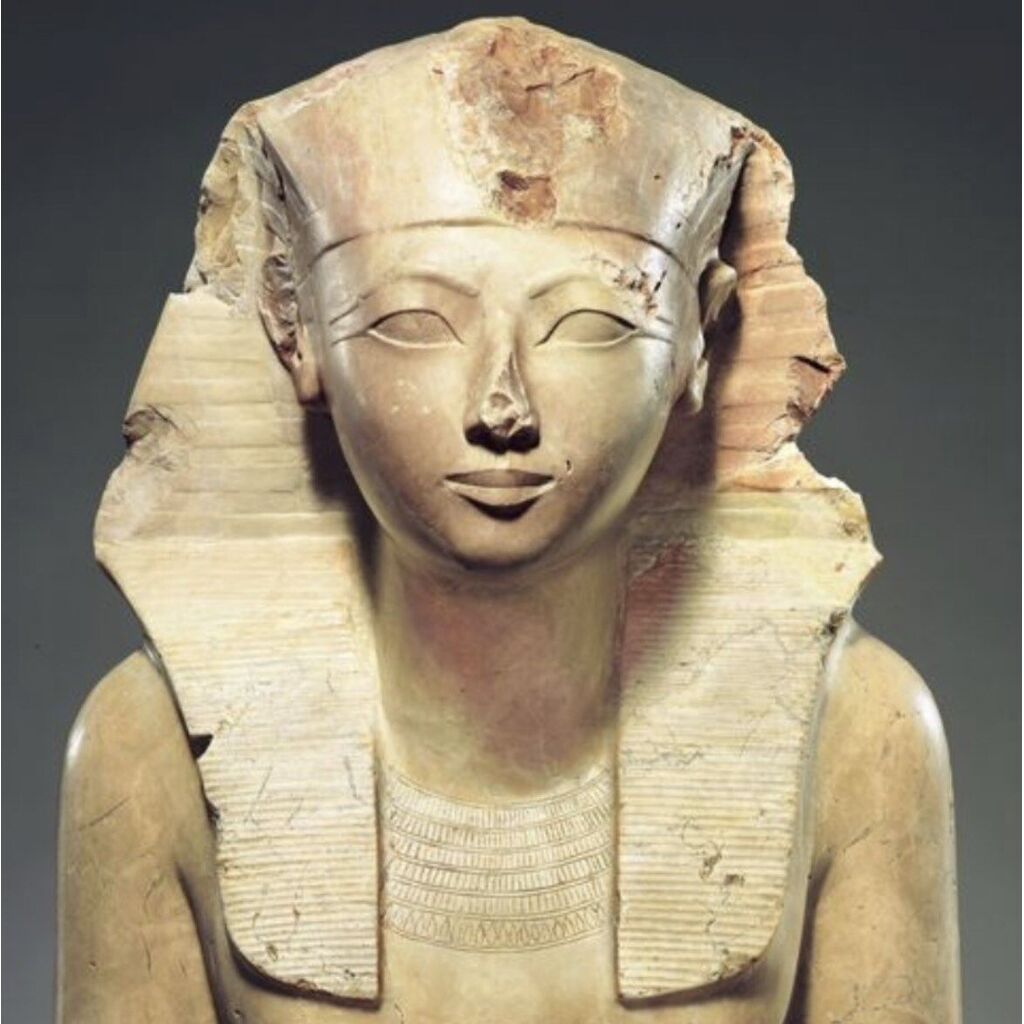
Ⲙⲉⲧⲣⲉⲙ̀ⲛⲭⲏⲙⲓ: north African language revival ↔ Indigenous Egyptian art as living archives
Wednesday May 6, 2026 9:45am - 10:45am EDT
Collective memory institutions have functioned as gatekeepers of Remenkeemi (Indigenous Egyptian) cultures and knowledges stolen and retold through colonizing tales and mythologies. Colonial institutions including libraries, archives, universities, and museums hold manuscripts and art in Metremenkeemi (language of the people of the Black Soil) written in several scripts (Hieroglyphic, Hieretic, Demotic, Coptic). Categorizing our Indigenous language and cultures as ‘ancient’ history violently erases the Niremenkeemi's centuries long fight to survive through art, oral histories, and familial practices. Indigenous languages and sacred artifacts held within colonial institutions are undervalued, severed, categorized as dead historical artifacts, and remain inaccessible for revitalization efforts.

The language revival process we embarked upon is a land-based practice reconnecting colonized and displaced north Africans with the lands and ancestors that made them. We share how language revival through varied art practices is a form of archiving that preserves our language as both a cultural praxis and acts of living. Further, our multigenerational engagement and outreach through language and art programming to build our living archive connects Niremenkeemi across generations strengthening our language revival process.

This pre-coordinated session includes three Niremenkeemi (Egyptian people) language revival journeyers who carry and intersect the skills of archiving, art-making, and scholarship to explore art and visual literacy as a simultaneously archiving and reviving tool for ancestral languages and the teachings woven within. We explore Metremenkeemi’s expressions and archives through art and share the collective journey we have embarked upon through ancestral language lessons, cultural revival, and at this time, art to propel us further into our language as a day-to-day praxis. Working against the dominance of gatekeeping and access, this panel shares examples of the various artworks, writings, and alternative publications being created by Niremenkeemi through our language revival arts project.

We also share the many ways colonial memory institutions gatekeep our ancestral scripts and sacred artifacts. Many are catalogued as ‘rare’ and remain imprisoned within inaccessible special collections. We reflect on the ways that digital platforms allow us to undo some of that gatekeeping. For example, the Living Keemi website and online video meeting platforms enabled us to participate in language lessons across time zones. Recording/archiving lessons by our language keeper allow sharing our language with artists needed for our language revival process. Simultaneously, we are navigating the precarity of digital preservation and planning around the colonizing tendencies of predatory technology. Our process requires an ethics of care as we introduce artists to the language, engage in art making, plan a hybrid art exhibit, and decolonize approaches for archiving and sharing language revival art.

Language revival is an indigenization process that resists erasure and initiates healing from colonial violence and trauma. Learning our ancestral language allows us to access our ancestral wisdoms and knowledges, for language holds the nuances and analogies that make meaning out of the world around us. At its core Indigenous language revival as an archival process decenters colonialism and white supremacy and advocates for social justice while opening portals towards new world making and healing.

About the moderator:
Erika DeFreitas is an interdisciplinary artist whose practice includes performance, photography, video, installation, textiles, drawing and writing. Placing emphasis on gesture, process, the body, documentation and paranormal phenomena, DeFreitas mines concepts of loss, post-memory, legacy and objecthood. Her work has been exhibited nationally and internationally. DeFreitas holds a Master of Visual Studies from the University of Toronto.
Speakers
MM

Marina Mikhail

Master of Information Student, Library Worker, Artist, and Community Archivist, University of Toronto
avatar for Viviane Saleh-Hanna

Viviane Saleh-Hanna

Professor, Black Studies + Justice Studies, University of Massachusetts, Dartmouth
Moderators
Wednesday May 6, 2026 9:45am - 10:45am EDT
Montreal 6

 
Share Modal

Share this link via

Or copy link

Filter sessions
Apply filters to sessions.
Filtered by Date -