Loading…
arrow_back View All Dates
Tuesday, May 5
 

7:30am EDT

Breakfast
Tuesday May 5, 2026 7:30am - 8:30am EDT
Mingle with attendees over a hot breakfast before sessions begin for the day! Breakfast is provided free for all registered attendees
#food
Tuesday May 5, 2026 7:30am - 8:30am EDT
Montreal 4-5 Foyer

7:30am EDT

Registration & Hospitality
Tuesday May 5, 2026 7:30am - 4:30pm EDT
Register for the conference, pick up registration materials, or get conference information.
Tuesday May 5, 2026 7:30am - 4:30pm EDT
Inscription

8:00am EDT

Mother's Room
Tuesday May 5, 2026 8:00am - 4:00pm EDT
See registration desk to sign out the room.
Tuesday May 5, 2026 8:00am - 4:00pm EDT
Westmount 5

8:00am EDT

Self-Assigning room
Tuesday May 5, 2026 8:00am - 4:00pm EDT
Self-Schedule Room
ARLIS/NA conference attendees may reserve a space in the self-schedule room for informal in-person meetings to be held during the conference. This space is meant for conversations and knowledge-sharing on topics related to art librarianship. Meetings may be private or open to all conference attendees. The room will be equipped for groups of up to 48 attendees. A/V and catering are not available. Click here to reserve the room. The deadline to sign up is Friday, April 10th.  All meetings will be listed in Sched by: April 17th.
 
If you have any difficulty with the registration form, or if you have any questions, please contact Gwen Mayhew ([email protected]).
 
Restrictions
  • The room should not be used by vendors or sponsors. Vendors or sponsors wishing to reserve a space should reach out to ARLIS/NA conference planner Megan Brouwer ([email protected]). 
  • The room should not be used by constituency groups (i.e. SIGs, Chapters or Divisions) for their annual meetings. Constituency group meetings are held virtually before or after the conference. CLICK FOR FORM HERE

Tuesday May 5, 2026 8:00am - 4:00pm EDT
Westmount 6

8:00am EDT

Meditation Room
Tuesday May 5, 2026 8:00am - 4:00pm EDT
Outremont 4

8:00am EDT

SCIP Makerspace
Tuesday May 5, 2026 8:00am - 4:00pm EDT
Visit the Makerspace for a dose of creative and social stimulation between conference programs. Organized annually by SCIP SIG.
Tuesday May 5, 2026 8:00am - 4:00pm EDT
Outremont 5

8:00am EDT

Childcare
Tuesday May 5, 2026 8:00am - 5:00pm EDT
Childcare will be available on site at the conference hotel by licensed provider. Attendees can register children at the subsidized rate below.

Monday, May 4 – 8:00 am to 5pm ($50)
Tuesday, May 5 – 8:00 am to 5pm ($50)
Wednesday, May 6 – 8:00 am to 12:30pm ($25
Tuesday May 5, 2026 8:00am - 5:00pm EDT
TBD

8:30am EDT

Developing Curatorial Skills in Library Settings
Tuesday May 5, 2026 8:30am - 10:00am EDT
Libraries curate and host exhibitions for a range of contexts and purposes, and exhibitions are a popular means of public scholarship and outreach. For many library workers, however, these responsibilities are often secondary to their primary duties or job functions, requiring additional labor and frequently with limited or no formal training. This panel will explore how four different librarians, representing museum, academic, and art spaces, began working on exhibition projects and learned curatorial practices. Additionally, the panel will discuss how curatorial projects fit into their standard library work and broader library goals.

Curation and exhibition design are intersecting skills that draw from a variety of disciplines to advance information literacy, visual storytelling, and pedagogical practice in physical and digital spaces. In these spaces, library workers serve in multiple roles, including student mentors, visual educators, creative designers, and program managers. By translating our expertise and talents into exhibitions, we can create transformative experiences for our communities, whether through works of art or library resources. This viewpoint, which highlights creativity, authorship, and collaboration, serves as an act of resistance against the framing of librarians as customer service drones. More than a display of objects, exhibition work provides an important avenue of expression, scholarship, and creative growth.

A Library Exhibition Program for Everyone: Coordinating Both Library- and Community-Led Exhibits
Speaker: Heather Koopmans


What does one need to lead an exhibits program that includes library-initiated exhibits as well as those developed by members of an academic community? Heather Koopmans will share how she learned on-the-job to review and select exhibits as part of a program, co-plan exhibits with faculty and library peers (bridging departments and disciplines), showcase faculty- and student-generated art in the library, and evolve the program in alignment with changing priorities.

Back to School: Library Lessons in Museum Studies
Speaker: Jacob Lackner


How do museum studies and librarianship intersect in the world of exhibitions? Jacob Lackner will discuss leading a museum and exhibitions team, curating exhibits alongside students and faculty, and the experience of learning as a student in a museum studies MA program.

The Art of Museum Library Exhibitions: Combining Diverse Skills to Foster Creative Curation
Speaker: Rebekah S. Boulton


Rebekah Boulton is a museum librarian working in a public-facing reading room, and curates exhibitions of library materials within the museum’s exhibitions program and hosts related public programming. Like many librarians, Boulton came to this work with no formal exhibitions training, and draws from her background in art history and library studies to consider all aspects of curation to be able to convey the meaning and merit of materials to audiences.

Learning on Display: Curatorial Praxis in an Academic Art Library
Speaker: Courtney Hunt


Speaking from experiences at a public R1 university, Courtney Hunt will share how she learned to curate through the staging of a semester-long exhibition containing library and special collections materials as well as art. Hunt will also speak about running an exhibitions program of student/staff work in a standalone fine arts library.
Moderators
avatar for Stephanie Grimm

Stephanie Grimm

Art and Exhibitions Librarian, Special Collections Research Center, George Mason University
Speakers
avatar for Courtney Hunt

Courtney Hunt

Art and Design Librarian | Associate Professor, The Ohio State University Libraries
avatar for Rebekah Boulton

Rebekah Boulton

Public Service and Instruction Librarian, Museum of Fine Arts, Houston
avatar for Jacob Lackner

Jacob Lackner

Teaching and Learning Librarian, Emory University
Jacob Lackner is a Teaching and Learning Librarian at Oxford College of Emory University. His interests include teaching with exhibits, student employment in libraries, and art librarian culture. 
avatar for Heather Koopmans

Heather Koopmans

Fine Arts Librarian, Illinois State University
Tuesday May 5, 2026 8:30am - 10:00am EDT
Montreal 7

8:30am EDT

Engaging our audience: new ideas in instruction and outreach
Tuesday May 5, 2026 8:30am - 10:00am EDT
While much has changed in librarianship in recent years, the need for thoughtful and innovative instruction has never been more important than now. Presenters in this session will discuss what library instruction looks like in 2026.

The Power of Pausing: Resisting AI Pressure Through Intentional Slowness
Speaker: Eva Sclippa


In an environment in which AI is being urgently pushed throughout academia, we have found that pausing offers a powerful means of resistance. Students are using generative AI, at times with institutional encouragement, without guidance about how to consider the larger ramifications on the artistic, academic, or information landscape, or on their own work and learning. At Boston University, colleagues spanning the libraries and the Educational Resource Center identified a pressing need for more informed decision-making about AI tool engagement, use, and intention. This led to the development of the “Pause Before You Prompt” tool for reflection before the point of algorithmic engagement.

Structured around seven concepts—ethics, consequences, privacy, copyright, transparency, personal motives, and accuracy—Pause Before You Prompt introduces mindful slowness into the AI use process. It provides students with key questions to address in advance of AI use to help them determine how or if to use generative AI products for their specific needs. We then built on this core framework to develop an accompanying assignment and in-class activity for instructors to incorporate into their courses.

Pause Before You Prompt has since been published in BU’s institutional repository and both library and writing instructor resources. Additionally, we successfully piloted the in-class activity with writing tutors on campus, who have now been trained to use it in their conversations with students. Meanwhile, other academic services have independently begun training their peer tutors in using Pause Before Your Prompt in their work with their fellow students. Faculty have demonstrated the tool within their own classes across disciplines. Other campus partners and stakeholders have expressed interest, including advising and student success teams and our Institute for Excellence in Teaching. Finally, library leadership has put forward a proposal for us to share Pause Before You Prompt with Boston University’s AI Development Accelerator as part of their AI developments symposium series.

During this session, we will discuss the process of creating this tool, with a particular focus on methods for assessing and organizing individual and institutional values. Attendees will have an opportunity to reflect on the values and questions about generative AI that they feel are most critical for members of their campus community to engage with, as well as methods for effectively reaching their students and colleagues in a period of accelerating change.

Zine workshops for Critical and Creative thinking in the Academic Library
Speakers: Sarah Wood-Gagnon, Lindsey Baker

In an age increasingly dominated by AI, digital communication, and surveillance capitalism, it is important to nurture in-person community building and tactile experiences. This presentation will highlight a series of zine-making workshops designed to engage students with experimental modes of learning and foster creativity within library environments. The idea arose from a growing interest in zines and crafting on campus. The workshops focus on diverse approaches to knowledge creation, encouraging participants to explore new ways of expressing ideas and remixing information through physical media. The workshop series beings with basic how-tos and distilling a research project into a zine for accessibility and concludes with more explicitly creative workshops on visual storytelling and poetry. This presentation will discuss how to stage these types of workshops, content covered and a selection of student work, and overall takeaways. We hope to highlight the importance of informal learning and making within the academic library.

Map Making and Treasure Hunting: understanding and supporting the information seeking behaviors of artist researchers
Speaker: Melanie Landsittel

In Map Making and Treasure Hunting: understanding and supporting the information seeking behaviors of artist researchers, Graduate Assistant Melanie Landsittel, MFA, aims to identify how research-based instruction in museums, galleries, and libraries has the potential to enrich studio-based visual arts education. She discusses the need for structured supplementary resources for studio-based learning, situated in frameworks like Research Creation and Practice-Led Scholarship. Drawing on her experience earning both the MFA and MLIS, she will share research tools in the form of a targeted workbook, student workshops structure, and results of a focus group analysis with visual arts student participants on the resources’ effectiveness.

Picture This: Collaborative approaches to visual literacy instruction
Speaker: Sara Ellis

“Picture This” outlines the development of an ongoing visual literacy workshop series at the University of British Columbia (UBC) Library. The ACRL Visual Literacy Competency Standards for Higher Education serve as an intellectual and pedagogical framework to anchor the series and the Art & Visual Literacy Librarian is positioned as project lead, collaboratively partnering with librarians and specialists in other units to plan and deliver visual literacy instruction. Core goals for the workshops include: identifying relevant research tools and strategies for developing visual literacy skills across disciplines, creatively and critically engaging with special collections and resources, reframing liaison and instructional partnerships, and providing opportunities to engage in dialogue while learning how to effectively find, interpret, evaluate, use, and create images and visual media. Specific aspects of workshop planning and implementation are discussed while identifying challenges and successes that have emerged in the process.
Speakers
avatar for Sara Ellis

Sara Ellis

Art Librarian, University of British Columbia Music, Art & Architecture Library
avatar for Eva K Sclippa

Eva K Sclippa

Visual Arts Librarian, Boston University
LB

Lindsey Baker

Humanities Librarian for Black Studies and English, University of Rochester
avatar for Melanie Landsittel

Melanie Landsittel

Graduate Assistant, University of Iowa Stanley Museum of Art
SW

Sarah Wood-Gagnon

Liaison Librarian (Visual & Performing Arts), University of Rochester
Moderators Sponsors
Tuesday May 5, 2026 8:30am - 10:00am EDT
Montreal 6

8:30am EDT

President's Choice: From Canada to Norway: Indigenous Presence and Decolonial Practice in Academic and Museum Libraries
Tuesday May 5, 2026 8:30am - 10:00am EDT
Art libraries within academic institutions and museums globally continue to play a vital role in advancing the work of decolonization and Indigenization across library spaces, collections, and information cataloguing practices. This session highlights initiatives that contribute meaningfully to the ongoing journey toward reconciliation, with case studies spanning Canada and Norway. Presentations will examine the Indigenous art purchasing program at the University of Manitoba, including the work of an artist whose pieces are now prominently featured within the library; the Salish Weave Teaching Collection integrated into the Indigenous Curriculum Resource Centre at Simon Fraser University Library in Burnaby; and the decolonizing strategies undertaken by librarians at the Nasjonalmuseet (National Museum) in Oslo. Together, these projects reflect a growing commitment to inclusive, culturally responsive library practices and the reimagining of institutional relationships with Indigenous knowledge systems.Art as Literacy: bringing Indigenous art into academic libraries
Speaker: Ashley Edwards

Indigenizing the University of Manitoba Libraries' Art Collection
Speaker: Janet Rothney

Indigenous art in Norwegian libraries: DDC and Humord after the launch of the report Truth and Reconciliation – basis for a settlement with Norwegianization Policy and Injustice against Sami, Kven/Norwegian Finns and Forest Finns
Speakers: Hildegunn Gullåsen, Birgit Jordan, Per Gisle Galåen


Moderators
avatar for Liv Valmestad

Liv Valmestad

Architecture/Fine Arts library, University of Manitoba, Art Librarian, President ARLIS/NA

Speakers
avatar for Ashley Edwards

Ashley Edwards

Indigenous Initiatives and Instruction Librarian, Simon Fraser University
PG

Per Gisle Galåen

Art Librarian, National Museum of Art, Architecture and Design
Art librarian at the National Museum in Oslo, since 2020, with architecture, conservation, and museology as areas of specialization and responsibility. Also board-member of ARLIS/Norden. Holds a BA degree in Library and Information Science from Oslo University College. Previously... Read More →
HG

Hildegunn Gullåsen

Head of Library and Archive, National Museum of Art, Architecture and Design, Oslo

avatar for Birgit Jordan

Birgit Jordan

Art Librarian, National Museum
Art Librarian in The National Museum since 1998. BA in library science, Oslo College. BA University of Bergen in languages and history
JR

Janet Rothney

Acting Coordinator, Research Services & Digital Strategies, University of Manitoba
Sponsors
Tuesday May 5, 2026 8:30am - 10:00am EDT
Montreal 8

8:30am EDT

Resistance is futile—or is it? The future of AI in cataloguing
Tuesday May 5, 2026 8:30am - 10:00am EDT
This panel, sponsored by the ARLIS/NA Critical Librarianship SIG, will feature presentations that critically engage the topic of artificial intelligence in technical services. As libraries and library workers are increasingly called upon to variously adopt, teach, or provide guidance on AI tools in our work, it is crucial that we also lead the way in critically assessing, and guiding others in critically assessing, the material conditions of artificial intelligence and its impacts on information integrity, intellectual property, civil discourse, and natural ecosystems.

Resisting the disruption: creating space to consider ‘AI’ in cataloging
Speaker: Amy Watson


This presentation will examine the push to adopt “AI” in cataloging. By decoding Silicon Valley’s rhetoric of disruption, library workers can create the space to evaluate the long-term sustainability and impact of “AI” technologies, develop ethical guidelines for their use, and imagine alternate pathways to address the needs driving the pressure to adopt “AI” in cataloging. Though focused on cataloging, the presentation will touch on core issues in critical librarianship and attendees will gain tools to begin resisting the disruption in their own library work.

Reimagining Metadata: Featuring an AI-Driven, Holistic Tool for Transformative Cataloguing and Discovery of Marginalized Collections
Speakers: Amy Andres, Liya Louis


GenXCat is an open-access, holistic, multilingual template series that integrates generative AI with human-in-the-loop oversight to create inclusive metadata for unique and underrepresented bibliographic and non-bibliographic collections. Developed in an academic art library, it addresses biases in AI-generated cataloging, resisting Anglophone dominance by enabling transliteration and multilingual description and culturally specific terminology while preserving cataloguer authority. GenXCat supports learning for new cataloguers, aligns with DEIA-AR values, and promotes ethical AI use while raising awareness of the limitations of current copyright laws and the need to reimagine copyright and policy frameworks. By broadening access to marginalized materials, it advances Universal Bibliographic Control and offers adaptable documentation for global library adoption.

Embodied Knowledge as Resistance: Designing Ethical AI for Cultural Heritage Archives
Speaker: Shan Chuah


This presentation examines an AI prototype developed in collaboration with Amazon Web Services to support the cataloguing needs of the Cross-Cultural Dance Resources collections at Arizona State University. These collections span more than seventy years of rare ethnographic documentation and provide a vital record of movement-based traditions from many parts of the world. The project explores how automated video analysis and culturally informed metadata design can improve access to dance materials that are often compressed into a single undifferentiated category within cataloguing systems. By integrating Laban movement analysis frameworks, the work investigates how AI can enhance discovery while resisting reductive classification. The results indicate that intelligent chunking and targeted machine learning can reduce processing costs and expand technical capacity for institutions responsible for sizable non-textual heritage collections. At the same time, the project uses these technical outcomes to open a broader critical conversation about the values that shape automated systems. It considers how AI models interpret cultural material, how archival labor shifts when automation becomes a routine part of technical services, and how librarians may influence the ethical direction of these tools. Through this case study, the project proposes ways in which art librarians, as custodians of cultural memory, can guide AI toward practices that respect traditional knowledge systems and contribute to sustainable stewardship of embodied heritage.
Moderators
AP

Ashley Peterson

Research & Instruction Librarian, Media & Data Literacy, UCLA
Speakers
avatar for Dr. Amy Andres (she/her)

Dr. Amy Andres (she/her)

Director of Libraries and Associate University Librarian, Virginia Commonwealth University School of the Arts in Qatar
avatar for Shan Chuah

Shan Chuah

Arizona State University
avatar for Amy Watson

Amy Watson

Cataloger, National Gallery of Art
avatar for Liya Louis

Liya Louis

Library Systems, Data and Web Coordinator, Virginia Commonwealth University in Qatar(VCUarts Qatar)
Sponsors
avatar for A&AePortal | Yale University Press

A&AePortal | Yale University Press

I am the New Business and Product Development Director at Yale University Press. Visit me at Booth #1 to learn more about the A&AePortal!
Tuesday May 5, 2026 8:30am - 10:00am EDT
Montreal 4-5

8:45am EDT

Exhibit Hall
Tuesday May 5, 2026 8:45am - 1:00pm EDT
The Exhibit Hall will be open for conference attendees to meet vendors and to learn more about the products and services they offer.
Tuesday May 5, 2026 8:45am - 1:00pm EDT
St-Laurent 1-2

10:00am EDT

Coffee Break with Exhibitors
Tuesday May 5, 2026 10:00am - 10:30am EDT
Come grab a cup of coffee or tea and visit with exhibitors.
#coffee
Tuesday May 5, 2026 10:00am - 10:30am EDT
St-Laurent 1-2

10:00am EDT

Posters on View
Tuesday May 5, 2026 10:00am - 11:30am EDT
All posters have been assigned numbers, which is how you will be able to locate them in St-Laurent Rooms 1-2 on the main/lobby floor of the Hotel Bonaventure. Please see attached PDF for more information.
Tuesday May 5, 2026 10:00am - 11:30am EDT
St-Laurent 1-2

10:30am EDT

Bit by bit, putting it together: building (and rebuilding) library collections
Tuesday May 5, 2026 10:30am - 11:45am EDT
Building and maintaining a library collection shapes how research is conducted now and in future generations. No library has infinite shelf space, so deciding what to purchase (and what to deaccession) is always an essential question. Presenters in this session will consider issues related to collection development in art libraries.

So you think you want a materials library?
Speaker: Morwenna Peters


Is a materials library essential to develop arts students’ materials and academic literacies? A research project funded by ARLIS UK & Ireland brought together a librarian, a technical manager and a materials library co-ordinator at two UK universities to investigate this question.

The project was underpinned by the researchers' shared ethos that using materials within teaching is relevant to: understanding a sustainable approach; developing critical thinking and reflective skills; and using materials and objects as a vehicle for learning.

Through a series of events, activities, visits and knowledge exchange opportunities, the researchers created a set of resources to support educators in confidently delivering materials literacy workshops in their own institutions. This presentation will share the context, outcomes (both planned and unexpected) and the next steps for this research project.

Stinky, Grubby, Graffitied, and WEIRD: A Visual Arts Weeding Success Story
Speaker: Andrea Johnston


Ah the joys of weeding. Time to review our collections, take stock of what is and isn’t moving, and embrace the mantra: out with the old and in with the new! While essential to managing our collections, weeding presents unique challenges, particularly with visual arts collections. From handling heavily used or damaged materials to navigating faculty communication and staff fatigue, the process can be both daunting and unexpectedly delightful.
This session recounts the presenter’s experience as a newly appointed Visual Arts Librarian at a mid-sized institution, tasked with revitalizing a collection that had not been reviewed in several years. The work involved not only weeding a neglected collection, but also included the work to advocate, promote, and preserve this unique and important section of the library.

Recognizing the distinctive nature of visual arts materials, the presenter developed a phased collection development and weeding strategy. This included crafting tailored weeding criteria, consulting with colleagues, and conducting hands-on review of materials to better understand the collection’s scope and needs. The phased approach was designed to minimize disruption, reduce staff fatigue, and support thoughtful decision-making.
This session will share lessons learned from the first phase of the project, completed in Spring 2025, and outline plans for future phases. Attendees will gain insights into developing visual arts-specific weeding guidelines, informed in part by criteria gleaned from a session presented during ARLIS/NA’s 2025 virtual conference, along with strategies for phasing a weeding project, and approaches to advocating for collection renewal and revitalization. Examples of surprising and humorous finds will be shared to illustrate the complexities and joys of this work.
Equal parts hilarious, enlightening, and gratifying, this session is ideal for librarians at small to mid-sized institutions looking for practical strategies to manage visual arts collections with creativity, care, and just the right amount of weird.

When everything was in flux, this library turned to Fluxus!
Speaker: Margaret English


Small and departmental libraries within large academic institutions are constantly under threat of amalgamation into main collections, or even closure. This paper will discuss the drastic cuts to space, collections and staff at one such library, and the strategies taken by the solo librarian to deal with the changes. The library made a quick pivot from being a resource for both undergraduate and graduate students and faculty to being a "Special Collection" with reduced hours. When everything was in flux, the library turned to Fluxus.
Speakers
avatar for Margaret English

Margaret English

Librarian, University of Toronto
avatar for Andrea Johnston

Andrea Johnston

Librarian, Red Deer Polytechnic
avatar for Morwenna Peters

Morwenna Peters

Senior Learning Development Librarian, UWE Bristol, UK
Librarian learning developer at University of the West of England in the UK, supporting students in the School of Arts. Interested in all the literacies! visual, materials, academic/critical. Currently exploring serendipity and user search behaviour in context of AI. Presenting... Read More →
Moderators
avatar for Amy Trendler

Amy Trendler

Architecture Librarian, Ball State University
Tuesday May 5, 2026 10:30am - 11:45am EDT
Montreal 4-5

10:30am EDT

From Paint Tubes to Digital Drawings: Navigating Appraisal in Artists’ Archives
Tuesday May 5, 2026 10:30am - 11:45am EDT
In an era marked by ongoing budget cuts, shrinking storage space, and a surge in born-digital records creation, archives face a growing challenge: How do we determine what to keep? Focusing specifically on artists’ archives, this panel discussion will convene experienced archival professionals working across museums, academic libraries, and artist foundations, in both Canada and the USA to explore the complex strategies and evolving criteria involved in appraisal and collection development.

The panel will address the increasing necessity for appraisal, weeding, and sampling under institutional pressures, and how decisions must balance institutional priorities with the inherent richness and messiness of preserving an artistic practice. Artists’ archives—often composed of highly personal, eclectic, and unconventional materials—do not always fit neatly into traditional institutional frameworks. As such, appraisal requires deep contextual knowledge and collaborative engagement with artists and their estates, and a willingness to advocate for nuance in what might otherwise be seen as ephemeral material.

Panelists will bring their specialized experience, highlighting approaches to appraising both physical and born-digital materials. Particular attention will be given to handling accruals, which pose logistical and intellectual challenges as some artists continue to work and produce after the initial donation. These additions often fall outside of typical processing workflows and call for agile, iterative approaches to appraisal and processing.

The discussion will also explore ways that professionals are resisting increased limitations—budgetary, spatial, and administrative—to ensure that artists' archives continue to be collected and preserved equitably across institutions. How can we maintain commitments to underrepresented voices and experimental practices when resources are stretched thin? What ethical obligations do institutions have when facing these limitations?

Rather than offering a one-size-fits-all solution, this session will provide a space for reflection on best practices and peer exchange. Attendees will leave with a deeper understanding of the tensions at play, implementable strategies, and the knowledge to advocate for thoughtful and sustainable appraisal practices.
Speakers
avatar for Rachel Kanter

Rachel Kanter

Archivist, Yale University Art Gallery


avatar for Samantha Rowe

Samantha Rowe

Senior Archivist, Manager of Digital Archival Projects, Wildenstein Plattner Institute


KW

Kristy Waller

Archivist, Emily Carr University of Art + Design
Moderators
avatar for Emma Metcalfe Hurst

Emma Metcalfe Hurst

Archivist, Private Records, National Gallery of Canada

Sponsors
Tuesday May 5, 2026 10:30am - 11:45am EDT
Montreal 8

10:30am EDT

Spaces, Cases, and Faces: Gaming in Academic Art Libraries
Tuesday May 5, 2026 10:30am - 11:45am EDT
We are living in the ludic century: an era of gamification, participatory culture, and play. Whether aware of it or not, most people engage with some kind of game – or gamified experience – every day. Video games have exceeded film and television as the most popular form of media, while the popularity of tabletop games – including role-playing games – is surging. How are information workers rising to meet the new standards for critical thinking and information literacy required to foster informed participants of these thriving and ever-present media? How can gamification tactics and participatory culture be harnessed to disrupt and expand information literacy services? How can game collections be curated and activated as new sites of research for art scholarship? Art and design libraries specifically hold a unique position of responsibility in this field as many of their users not only play - but intend to create - games. How are libraries stepping up to shape the future of this field? Hear from three information workers who have been spearheading innovative game collections, services, and research in their libraries.

The first presentation, Videoludic Literacies: How The SVA Libraries are Shaping the Future of Video Games, recounts the creation of a Retro Game Lounge at the School of Visual Arts, which marked the latest milestone in the continued development of the SVA Libraries' branch, Library West – a non-traditional library hub. This presentation will discuss how The Retro Game Lounge and its associated collections were conceived, planned, and built, with a focus on both the practical aspects and how it further realizes the communal, multimedia, and multimodal ethos of Library West.

The second presentation, LARPing in the Library: Activating Live Action Research Protocol, examines a collaboration between a librarian and art professor from Southern Methodist University who teamed up to create a research assignment that had students LARPing in the library. Students used various physical resources in the library to create a symbol and lore for their guild. This multi-session exercise disrupted students’ expectation that research in an academic setting would mirror their everyday searching behaviors.

The third presentation, "I've Experiments to Run, There is Research to be Done": The State of Video Game Collections in Academic Art Libraries addresses how academic art libraries are shaping the future of video game scholarship within the art history discipline – by virtue of what they deem relevant for entry into their collections. By identifying video game materials in the collections of research-focused academic art libraries, this presentation outlines which aspects of art historical video game research are currently supported, and which aspects of gaming's art culture are missing. Special attention is given to counterculture game creation including rom hacks and hardware mods as they have been largely absent from video game exhibitions.
Moderators
avatar for Shea'la Finch (she/her)

Shea'la Finch (she/her)

Research / Instruction Librarian, School of Visual Arts
Shea'la Finch (she/her) is the Research / Instruction Librarian at the School of Visual Arts, where she also teaches in the Humanities Department on the intersection of video games & culture. She is a co-moderator of the Intersectional Feminism & Art Special Interest Group.
Speakers
avatar for David Pemberton

David Pemberton

Instruction/Periodicals, School of Visual Arts
Picture Collections. Magazines. Poetry.
avatar for Kathleen E Alleman

Kathleen E Alleman

Fine Arts Research Librarian, Southern Methodist University, Hamon Arts Library
I work in an art library embedded within SMU's Meadows School of the Arts. I support the Art, Art History, Fashion Media, and Dance departments through reference, instruction, outreach, collection work, and managing a gallery space within Hamon Arts Library.

I am roughly one year into my academic art librarianship career, coming from art museum librarianship. I would love to connect about teaching & instruction, collection maintenance, navigating faculty relationships and politics within academia, or anything decorative arts-related... Read More →
avatar for Mert Overcash (he/him)

Mert Overcash (he/him)

Graduate Assistant at Sloane Art Library, Sloane Art Library at UNC
I'm a dual degree graduate student (Art History and Information/Library Science) interested in video games. I'm interested in how video games are looked at within Art scholarship and spaces. I am also interested in how information and video game technology can be applied to art preservation... Read More →
Sponsors
Tuesday May 5, 2026 10:30am - 11:45am EDT
Montreal 6

10:30am EDT

This belongs in a museum! (Or does it?) Topics in museum librarianship
Tuesday May 5, 2026 10:30am - 11:45am EDT
Working in a museum library combines aspects of academic, special and public librarianship. Speakers in this session will present on the unique issues facing museum libraries and librarians.

Forging a Library-Museum Partnership: Creativity, Exploration, and Resistance
Speaker: Jacob Lackner


After the Oxford College Library and the Michael C. Carlos Museum were brought together as part of organizational realignment at Emory University, library and museum staff began to build a formalized partnership for the first time. The goal of this endeavor was to bring museum collections, resources, and personnel to a new audience at a new campus. Collaboration started with small meetings and building internal teams with relevant stakeholders. This created a foundation for lending artwork, planning and constructing a dedicated exhibition space, and guest speaking during library instruction. The process has required a commitment to cooperation, resource sharing, flexibility, and patience, but has already achieved exciting results. Museum resources enabled the library to bring more diverse voices onto the Oxford College campus, including works by contemporary African and contemporary Indigenous artists, as well as displaying an exhibit of works on paper that was co-curated with an Oxford College faculty member.

As an act of resistance, this collaboration stands against the dominant view that undergraduate education should prioritize job training and narrow pathways over humanistic inquiry and digressions into the arts. Instead, this project encourages students to resist the pressure of productivity, look at something unexpected in the library, and ask questions about the relationship between art, information, and society. Additionally, the project resists the idea that museum collections must always remain in the museum, giving them new context and new viewers in a new place. Established pieces from the collection can be reinterpreted by taking up residence amidst busy students, student artwork, and book stacks.

Attendees will learn strategies and takeaways for planning library-museum collaboration and be encouraged to see how similar partnerships can advance long-term goals at their institutions. Libraries and museums can learn much from each other, and joining forces can leave both institutions better prepared for the challenges of the future.

Catalogues of the World: Building a Universal Archive
Speaker: Holly Phillips


Launched in 2001, the Contemporary Catalogs Project (CCP) is an initiative of the Metropolitan Museum of Art’s Thomas J. Watson Library to actively collect and preserve contemporary art gallery exhibition catalogs from around the world. Led by library staff with support from interns and volunteers, the project entails identifying galleries, requesting catalogs, recording solicitations, and acknowledging donors. The project goals are: to preserve publications for future researchers; acquire materials while they are still readily available; represent living artists as inclusively and globally as possible; and expand collecting beyond dominant networks of publishers and distributors.

Through sustained outreach and the generosity of galleries worldwide, the library has acquired more than 25,000 publications, representing 60 countries and over 10 languages. In 2020, the project was expanded to include PDF catalogs, which Watson is requesting, archiving, and making publicly available for online viewing and download. More than 5,700 gallery catalog PDFs are now available directly through WorldCat, Watsonline (our online catalog), and downloadable as an entire collection in MARC format record sets.

This presentation will include an overview of the workflow and tracking documentation developed for the project, highlights and key takeaways, and introduce a newly launched landing page and online index.

What We Talk About When We Talk About Korea
Speaker: J. Vera Lee


This original archival research focuses on the role of the Honolulu Museum of Art (HoMA; formerly the Honolulu Academy of Arts (HAA)) in a seminal stateside exhibition of Korean National Treasures. Robert Griffing, then-Director of HAA, became interested in sponsoring an exhibition of Korean National Treasures as a member of the UNESCO-International Commission of Museums (ICOM; 1947). When the Korean War erupted in 1951, and national treasures in peril were packed and moved from the National Museum of Korea (NMK) in Seoul to Pusan, Griffing offered HAA as a haven for Korean National Treasures to Kim Chewon, NMK Director. Griffing and Kim’s correspondence reveals a framework of influence and power linked to narrating national identity through the objects of the eventual 1957 exhibition (that originated with the National Gallery of Art). I evaluate the making of this exhibition as a precursor to current events around national representation in art museums and libraries. On a more modest scale, I have reformatted my position and labor as a museum librarian to include research and writing. Altogether, I read power and roles that undergird either exhibitions or workflows through a Critical Librarianship lens, to highlight opportunities for resistance, whether geo-political, organizational, or narrative.
Speakers
avatar for Holly Phillips

Holly Phillips

Senior Collections Manager, Acquisitions, Thomas J. Watson Library, The Metropolitan Museum of Art
Holly is responsible for acquiring special collections material and overseeing the gifts program. She also manages a twenty-year ongoing project acquiring catalogs from international contemporary galleries. She has curated numerous exhibitions in Watson Library including Art of C... Read More →
JV

J Vera Lee

Librarian, Honolulu Museum of Art
avatar for Jacob Lackner

Jacob Lackner

Teaching and Learning Librarian, Emory University
Jacob Lackner is a Teaching and Learning Librarian at Oxford College of Emory University. His interests include teaching with exhibits, student employment in libraries, and art librarian culture. 
Moderators
avatar for Anne Evenhaugen

Anne Evenhaugen

Librarian, Smithsonian
Anne is an art librarian at the Smithsonian Libraries and Archives.
Tuesday May 5, 2026 10:30am - 11:45am EDT
Montreal 7

12:00pm EDT

The Current State of ILL: informal discussion of challenges, trends, and innovations
Tuesday May 5, 2026 12:00pm - 1:00pm EDT
Open to all who are interested in interlibrary loan, resource sharing, and document delivery.

Moderators
Tuesday May 5, 2026 12:00pm - 1:00pm EDT
Westmount 6

12:00pm EDT

Convocation and Awards Ceremony Rehearsal
Tuesday May 5, 2026 12:00pm - 1:00pm EDT
Rehearsal for presenters and award winners to review the Convocation and Awards Ceremony agenda and logistics.
Moderators
avatar for Laurel Bliss

Laurel Bliss

San Diego State University
Fine Arts Librarian, San Diego State University
Tuesday May 5, 2026 12:00pm - 1:00pm EDT
Montreal 4-5

1:00pm EDT

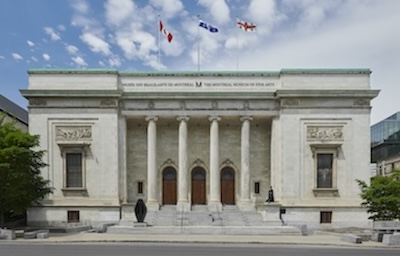
(SOLD OUT) Musée des Beaux-arts de Montréal Library Tour
Tuesday May 5, 2026 1:00pm - 3:00pm EDT
Please note that adding a tour to your Sched itinerary does NOT mean you have registered for the tour. You must register using the tours registration link.

Cost : $ 30

Guided tour of the Musée des Beaux-arts de Montréal Library, including a presentation of their work and a discussion on the issues facing the library. Visit the Musée on your own after the library tour.

Transportation : not provided.
The recommended transportation arrangements are to walk (25 minutes) or coordinate a shared Uber.

Destination addess : Musée des Beaux-arts de Montréal, 1380 Sherbrooke St W, Montreal, Quebec H3G 1J5
Meet your guide in the entrance lobby.

Important Information:
Tours will be offered in English, and guides will be pleased to answer questions in French.
$ All costs are in USD.

#madeinquebec


Tuesday May 5, 2026 1:00pm - 3:00pm EDT
Musée des beaux-arts de Montréal 1380 Sherbrooke St W, Montreal, Quebec H3G 1J5

1:00pm EDT

Exhibit Hall
Tuesday May 5, 2026 1:00pm - 4:00pm EDT
The Exhibit Hall will be open for conference attendees to meet vendors and to learn more about the products and services they offer.
Tuesday May 5, 2026 1:00pm - 4:00pm EDT
St-Laurent 1-2

1:00pm EDT

Posters on View
Tuesday May 5, 2026 1:00pm - 4:00pm EDT
All posters have been assigned numbers, which is how you will be able to locate them in St-Laurent Rooms 1-2 on the main/lobby floor of the Hotel Bonaventure. Please see attached PDF for more information.
Tuesday May 5, 2026 1:00pm - 4:00pm EDT
St-Laurent 1-2

1:15pm EDT

Beyond Transactional: Libraries, Artists, and Vendors in the Fight for Equitable Access
Tuesday May 5, 2026 1:15pm - 2:30pm EDT
How can libraries, museums, and the vendors they partner with embody resistance in the face of privatization, censorship, and inequity? This panel will explore an emerging partnership between Electronic Arts Intermix (EAI), an organization dedicated to preserving and providing access to media art, and Pratt Institute Libraries, which is working to expand ethical, sustainable access to these collections. Positioning themselves as allies rather than vendors, EAI is actively developing initiatives that resist barriers to access by highlighting marginalized art histories, supporting educators in underfunded schools, and collaborating with organizations such as Art Resources Transfer to distribute publications and curricula to public libraries and prison systems.

The panel will examine how libraries, artists, and cultural organizations can collaborate to resist exploitative market dynamics, expand access to underrepresented voices, and preserve media art as a vital cultural record. Rebecca Cleman, Executive Director of Electronic Arts Intermix (EAI), will outline EAI’s mission and history of providing educational access to media art, with a focus on the Educational Streaming Service and recent partnerships with academic institutions. Nelson Henricks, a Montreal-based educator and artist with media art in distribution through Video Data Bank, will discuss his experience using EAI in the classroom. Matthew Garklavs, the Electronic Resources Librarian at Pratt Institute Libraries, will address his collaboration with EAI to develop a shared cataloging infrastructure and reflect on working with vendors to support sustainable, long-term access to educational resources.

While touching upon current developments in the field, this panel will position collaborations between vendors, libraries, and creators not as transactional relationships but as opportunities for solidarity and shared purpose. In contrast to conventional subscription models, EAI is piloting new pathways, such as subsidized streaming for schools and open sharing of MARC records, that align with libraries’ commitments to openness and equitable access. By including an artist’s voice, the panel will also foreground the stakes for creators whose works risk invisibility without the stewardship of organizations committed to long-term preservation and accessibility.

Anchored in Montreal, a city with a deep history of cultural resistance, this panel will resonate with the conference theme by showing how art information professionals can transform professional practice into a form of resistance, expanding access, amplifying marginalized histories, and reimagining collaborative partnerships over commerce.
Speakers
RC

Rebecca Cleman

Executive Director, Electronic Arts Intermix (EAI)

avatar for Matthew Garklavs

Matthew Garklavs

E-Resources Librarian, Pratt Institute Libraries
Moderators
avatar for Courtney Hunt

Courtney Hunt

Art and Design Librarian | Associate Professor, The Ohio State University Libraries
Tuesday May 5, 2026 1:15pm - 2:30pm EDT
Montreal 7

1:15pm EDT

Getting crafty in the library!
Tuesday May 5, 2026 1:15pm - 2:30pm EDT
Some librarians are turning to arts and crafts as a way to engage new and continuing audiences. Presenters in this session will discuss how using crafting in the library has provided new opportunities for their researchers.

Craftivism as Library Pedagogy in the Age of Disruption
Speakers: Kellie Lanham-Friedman, Rachel Riter


Craftivism, simply put, is craft + activism. In this paper, we present an overview of what craftivism is, the movement’s significance to the current socio-political climate, and how we have embedded a maker pedagogy into library instruction sessions and workshops. Drawing on existing literature on maker pedagogy, the presentation outlines our institution’s incorporation of maker tools into curriculum (including zine assignments, podcast lessons, and more), and highlights a new workshop designed around craftivism titled Unraveled: Censorship and Craft. Participants learned basic sewing skills while creating embroidered patches, buttons, and bracelets with messages that resonate with their sociopolitical beliefs. Alongside skill-building, participants were introduced to the concept of craftivism and invited to connect it with issues like free speech, censorship, and intellectual freedom. Ultimately, craftivism and maker pedagogy gives students a voice to defend their rights, expands their autonomy, and challenges flawed traditional forms of educational assessment. This paper situates craftivism not only as a creative practice, but also as a pedagogical strategy for academic libraries to resist cultural and technological disruption while empowering students to think critically, create meaningfully, and advocate for their rights.

Cut, Paste, & Share: 20 Creative Ways to Teach with Zines and Spark Low Cost High-Impact Engagement in Libraries
Speaker: Megan Lotts


Zines—self-published, low-cost, and highly creative—are transforming how libraries engage with their communities. Since launching the Rutgers Art Library Zine Initiative in 2019, we have seen firsthand how zines foster creativity, visual literacy skills, self-expression, and storytelling while empowering underrepresented communities.

This presentation will share 20 practical tips for integrating zines into library programming, collections, and instruction. Drawing on examples from the Art Library Zine Teaching Collection—which now includes over 750 unique resources—this presentation will highlight strategies for using zines in classrooms, and for events, and outreach activities. Case studies include collaborations with an English Department to transform annotated bibliography assignments into zines, a partnership with an Asian American Studies Department that won a digital humanities award, and the creation of popular library “Zine Creativity Kits” distributed to over 500 patrons during Welcome Week events.

From this presentation participants will learn how zines can support interdisciplinary teaching, empower underrepresented voices, and create opportunities for playful, hands-on learning in library settings. The session will also discuss practical considerations such as curating a zine collection, facilitating workshops, promoting engagement through exhibits and how to engage cross-disciplinary and organizational collaborations. Attendees will leave with actionable ideas for starting or expanding zine initiatives in their own libraries—whether through instruction, outreach, or collection development—all while keeping costs low and impact high.

Archival Interventions (with Scissors!): Zine- and Buttonmaking as Resistance at UCSC Special Collections and Archives
Speaker: Sam Regal


As is intrinsic to most repositories, the collections within the University Archives at UC Santa Cruz are interwoven with bias. Collections materials unevenly represent student life and experience, eliding certain knowledge, identities, and expression across the documented history of the university. In response and resistance to these elisions, UCSC Special Collections and Archives developed the “Zine Art Party,” a critical zine- and buttonmaking series hosted in Special Collections and Archives. At these events–usually held during finals week–students are invited to cut, remix, collage, and otherwise intervene upon the archive to tell their own stories. The “Zine Art Party"" has three major objectives: to welcome students into Special Collections and Archives and foster a sense of belonging in the space, to critically activate collections materials, and to empower students to pursue arts-based research methodologies. Librarian Sam Regal will set the “Zine Art Party” program in situ by outlining the role, utility, and activist potentialities of critical making as a teaching methodology and research practice, with particular attention paid to the political implications of experimentation and play.
Speakers
avatar for Megan Lotts

Megan Lotts

Art Librarian, Rutgers, The State University of New Jersey
KL

Kellie Lanham-Friedman

Makerspace Coordinator, CSU Fullerton, Pollak Library
avatar for Sam Regal

Sam Regal

Instruction and Exhibitions Librarian, Special Collections and Archives, University of California, Santa Cruz
RR

Rachel Riter

Education Librarian, Cal State Fullerton
Moderators
avatar for Linda Smith

Linda Smith

Linda is an archivist and librarian who is deeply committed to working with community and art archives. She also works to demystify archival training, to empower all who are interested in supporting community memory. After interning at two places that flooded, she chose to marry her... Read More →
Tuesday May 5, 2026 1:15pm - 2:30pm EDT
Montreal 8

1:15pm EDT

Just another brick in the wall: architecture and libraries
Tuesday May 5, 2026 1:15pm - 2:30pm EDT
This session contains a paper presentation followed by a pre-coordinated panel in English and French focusing on architecture and libraries.

“Designed to be Seen”: Revisiting Library Architecture and its Remnants of Colonial Legacies” - This presentation focuses on how library architecture buildings and their designs, often viewed with admiration and inspiration, may evoke colonial legacies. Like colonial museum architecture, colonial library architecture has parallel connections to imperialism in knowledge production and how such architecture portrays a particular aesthetic sensibility: an enduring symbol of imperial power and knowledge over colonized populations. Drawing on works of architectural historians and historians of empire, and case studies of libraries built in colonial-era regions, this presentation argues how library architecture did not only serve as a repository for colonial knowledge and practice in the imperial landscape but was designed in function and form to invoke imperial power in post-colonial societies.

From a different angle, the colonial legacy of library architecture relates to the larger idea that architecture is not neutral. Instead, architecture reflects cultural values, public needs, and urban change, and across Canada, buildings have been repurposed or demolished in response to shifting social priorities, economic forces, growth, and community resistance.

In the second part of this session, then, the bilingual panel will discuss the evolution of architecture in two major Canadian cities, Montréal and Toronto, through the lens of library and archival collections. Each panelist will highlight examples of architectural development, repurposing, and/or resistance held at their institution, encouraging discussion about the role libraries and special collections play in preserving Canada’s architectural history and its societal impact. Through textual documents, photographs, building records, maps, and other documents, libraries and archives provide evidence of these architectural evolutions, making them available for both studying the past and inspiring the future.

The Canadian Centre for Architecture (CCA) will illustrate some of the architectural transformation in Montréal through Expo 67 islands and pavilions that have since been repurposed, such as the Pavilions of Québec and France. As well, they will highlight the Shaughnessy house, which similarly embodies this sense of adaptation. Built in the 19th century and once threatened with demolition, the mansion has now been restored and revived through its integration into a research institution. In different ways, these examples both demonstrate how architecture can be reimagined and sustained across generations and also highlight the cultural value embedded in the built environment.

The Eberhard Zeidler Library (University of Toronto) will highlight architectural resistance and development in Toronto through Ontario Place, a public entertainment space on Toronto’s waterfront since 1971, where redevelopment has recently become a point of civic debate. The topic of Ontario Place in our libraries and special collections demonstrates how resistance has shaped architecture and design in Toronto, from defending public space to establishing a cultural self-definition.
 
The first part of the panel will be in French and the second part in English. The slides will be bilingual. Questions in English and French are welcome. 
#madeinquebec
Speakers
avatar for Shira Atkinson

Shira Atkinson

Reference Librarian, Canadian Centre for Architecture
JG

Jane Goulding

Library Intern, University of Toronto
avatar for Jennifer Préfontaine

Jennifer Préfontaine

Cataloguer, Canadian Centre for Architecture
RP

Raymond Pun

Academic and Research Librarian, Alder Graduate School of Education
Moderators
avatar for Cathryn Copper

Cathryn Copper

Head, Eberhard Zeidler Library, University of Toronto

Tuesday May 5, 2026 1:15pm - 2:30pm EDT
Montreal 6

1:15pm EDT

Open Books, Open Doors: Resistance to Gatekeeping Artists' Books in Libraries
Tuesday May 5, 2026 1:15pm - 2:30pm EDT
For over 70 years, artists have used artists’ books to bypass conventional art world channels, ripe with gatekeeping, exclusion, and bias. Their unprecedented portability and accessibility allowed artists more agency over production and distribution. Artists’ books continue to be a vital mode of creative expression, particularly for exploring socio-political issues; however, the same qualities that make these works vibrant and democratic pose challenges for libraries. Artists’ books inherently resist traditional ways that libraries acquire, describe, and provide access.

This panel explores how librarians can navigate these challenges and remove barriers to engagement in artists’ books collections. We will present case studies from museum and academic libraries, along with historical examples, to demonstrate how artists’ books can be promoted as essential library materials and how we can work together to steward these collections for future generations. By opening the doors to artists’ books collections, we can champion underengaged perspectives and allow more users to see themselves in our holdings.

From Activism to Access: Resisting the Status Quo with Artists' Books
Speaker: Joey Vincennie


By examining the history of activism through the lens of artists' books, this presentation aims to show how this form was used as a tool for uncensored artistic expression and consciousness-raising. Drawing parallels from historical examples to contemporary artists’ books, we explore how these objects circumvent the hegemony of traditional art and publishing structures and act as vehicles for socio-political activism, arguing that artists' books in library collections push back against limits to expression. By revising access policies for artist book collections, participating in art book fairs, promoting artists’ books through programming, and supporting small publishers, the author aims to show how librarians can resist the gatekeeping of information, ideas, and access.

The Role of Research in Undergraduate Studio Practice: A Qualitative Study
Speaker: Giana Ricci


The inherent challenges of collecting artists’ books for circulating academic libraries often deter librarians from considering them for inclusion. At New York University Libraries, we see an opportunity to interrogate existing methods of collecting that may exclude or discourage creative research in higher education. In this presentation, I will discuss original qualitative research concluding that student artists are keen to use non-traditional resources in their creative practices, but that library conventions may limit their engagement. I will propose ways we can resist these conventions, while maintaining professional standards, in order to bring artists’ books and other creative resources into the hands of our users.

Mentorship and Meaning in a Museum Library Special Collections
Speaker: Ivy Blackman


The Whitney Museum of American Art’s Frances Mulhall Achilles Library offers our student interns a rare opportunity to select and present artists’ books to an audience of museum professionals as a part of their participation in our program. Their selections and research are used as the basis for special collections and artists’ books education for the following year. The project invites students into the meaningful work of artists’ books research and curation, and provides a useful model for engaging emerging professionals in work with artists' books that goes well beyond paging and shelving. This presentation discusses the ways in which removing barriers to pre-professional work with artists' books has proven fruitful for our interns, our staff, and our understanding of our collections.
Moderators
avatar for Jillian Suárez

Jillian Suárez

Associate Director, Research Services, Schomburg Center for Research in Black Culture, NYPL
Speakers
avatar for Ivy Blackman

Ivy Blackman

Head Librarian, Whitney Museum of American Art, Frances Mulhall Achilles Library
avatar for Giana Ricci

Giana Ricci

Librarian for the Fine Arts, New York University
avatar for Joey Vincennie

Joey Vincennie

Reference Lead Librarian, Frick Art Research Library, The Frick Collection
Joey Vincennie (he/him) is the Reference Lead Librarian at the Frick Art Research Library. His research on artists' books and art book fairs has been published in Art Documentation. Joey currently serves as a co-moderator for ARLIS-L and as a member of the Travel Awards subcommittee... Read More →
Sponsors
Tuesday May 5, 2026 1:15pm - 2:30pm EDT
Montreal 4-5

2:30pm EDT

Coffee Break with Exhibitors
Tuesday May 5, 2026 2:30pm - 3:00pm EDT
Come grab a cup of coffee, tea and some snacks while you visit with exhibitors.
#food
Tuesday May 5, 2026 2:30pm - 3:00pm EDT
St-Laurent 1-2

2:30pm EDT

(SOLD OUT) Cinémathèque québécoise : mediathèque Guy L. Coté library collection and the archives
Tuesday May 5, 2026 2:30pm - 3:30pm EDT
Please note that adding a tour to your Sched itinerary does NOT mean you have registered for the tour. You must register using the tours registration link.

Cost : $ 20

Presentation of the Guy L. Coté Media Library, its collection of documents (books, magazines, videos, etc.), as well as the Cinémathèque québecoise's archive collection (photos, posters, drawings, etc.). A brief presentation of the collections, the services offered, and examples of documents will be followed by a tour of the storage areas of both collections.

Transportation : transit pass provided.
The recommended transportation arrangements are to use public transit as a group.

Destination addess : Cinemathèque québécoise, 335 Boul. de Maisonneuve E, Montréal, QC H2X 1K1
Meet your guide in the Cinematheque reception. 

Important Information:
The elevator leading to the library will be out of service for the weeks to come. It is quite possible that it will still be unavailable on the day of the visit. This unfortunately prevents access for wheelchair users. There are a dozen steps.

Tours will be offered in English, and guides will be pleased to answer questions in French.
$ All costs are in USD.

#madeinquebec


Speakers
Tuesday May 5, 2026 2:30pm - 3:30pm EDT
Cinémathèque québécoise 335, boul. De Maisonneuve Est Montréal, Québec, H2X 1K1

3:00pm EDT

Book Art SIG In Person Huddle
Tuesday May 5, 2026 3:00pm - 4:00pm EDT
Join the co-coodinators of the Book Art SIG for an informal social to share stories about our conference experience, talk book arts, and meet each other in person.

Moderators
avatar for Amy Watson

Amy Watson

Cataloger, National Gallery of Art
Tuesday May 5, 2026 3:00pm - 4:00pm EDT
Westmount 6

3:00pm EDT

A Culture of Resistance: Libraries, Archives and the Impact of Culture on Collecting (and Collecting on Culture)
Tuesday May 5, 2026 3:00pm - 4:15pm EDT
How do libraries and archives reflect and capture our current moment? Papers in this session will cover topics including AIDS, music and web archiving.

Art, Archives, and the Long Tail of HIV & AIDS Artistic Production
Speaker: Emilie Hardman


This paper examines an open digital collection documenting the artistic legacy produced by the HIV & AIDS crisis and its long, continuous tail as a case study in resistance enacted through form rather than resolution. Bringing into proximity materials drawn from community archives, personal holdings, and dispersed institutional collections, the corpus spans four decades of cultural production and includes fine art, artist books, essays, agitprop, performance documentation, oral histories, and other traces of embodied cultural artmaking generated under conditions of crisis, stigma, loss, and collective care.

Rather than presenting a coherent institutional archive or a curated digital exhibition, the collection operates as a deliberately heterogeneous body of work. Its materials were never meant to sit quietly beside one another, nor to be stabilized into a singular narrative of artistic response. Their digital co-presence foregrounds unevenness--differences in provenance, scale, documentation, and preservation that are not reconciled but held in view. This heterogeneity is not treated as a problem to be solved, but as a defining condition of the collection’s intellectual and interpretive potential.

The paper explores the opportunities this structure creates for engaging with cultural memory that remains unfinished. It attends to how the collection makes visible forms of cultural production that persist unevenly, circulate through personal and community care, and resist being safely historicized. Attention is given to how context can be provided without imposing closure, how absence and loss function as constitutive features of the record, and how crisis-born cultural expression can be made accessible without being converted into settled heritage.

Rather than offering resolution, the collection creates space for ongoing interpretation, reuse, and scholarly encounter. The paper argues that such openness (structural, descriptive, and interpretive) allows the collection to sustain unresolved cultural legacies and to support new forms of engagement with the artistic afterlives of HIV & AIDS.

Building a Global Digital Archive for Popular Music and Culture Zines
Speaker: Elizabeth Martin-Ruiz


In 2015, a non-profit music research organization took the initiative to establish an international and multilingual digital archive of independently published fanzines and magazines dedicated to popular music and culture. These zines cover a wide variety of related topics, accompanied by visual art such as comics, drawings, and photography, and all captured in unique graphic design. This presentation will chronicle the multifaceted journey, from securing licensing rights and converting content from print to digital format to developing an innovative platform that ensures long-term preservation and intuitive user searching. I will then highlight how the platform design facilitates the discovery of a diverse range of content and makes content accessible to a wide range of users. Recently launched, the archive offers an opportunity to provide insight into the technical, legal, and curatorial challenges associated with such an undertaking. It ultimately attests to the complexities of building a global digital resource for interdisciplinary scholarship.

Punk Rock & Resistance: Documenting Decades of Defiance in an International Zine Archive
Speaker: Jacqueline Santos


The visual punk rock aesthetics of the late 20th and early 21st century draw on themes of free expression, feminism and gender non-conformism, anti-establishmentarianism and political criticism, as well as liberation. These themes are likewise prevalent in zines—noncommercial, frequently homemade publications usually devoted to specialized and often unconventional subjects. Emerging in opposition to established publications of their respective eras, zines amplified voices of resistance during periods of censorship, economic disparity, racial inequality, and political unrest. This paper presents examples of visual archival zine content within the scope of these themes, and especially related to “resistance”, to underscore the importance of community-based archival practices in preserving underrepresented historical and current perspectives. Using a digital zine archive as a case in point, it demonstrates how zine archives function as cross-disciplinary resources for institutions, students, and scholars beyond their graphic content and make accessible material of artistic expression of marginalized groups that remains urgently relevant today.

Resisting Ephemerality: Web Archiving Online Arts Content Before It Disappears
Speakers: Sarah Beth Seymore, Sumitra Duncan


Art historians, critics, curators, and humanities scholars rely on the records of artists, galleries, museums, and arts organizations to understand and contextualize contemporary artistic practice. Yet, much of the art-related materials that were once published in print are now often available primarily or solely on the web and are highly ephemeral by nature. This presentation will articulate the scale and urgency of this problem and why it matters for librarians and archivists working with collections related to the arts. Speakers will provide an overview of the challenges and opportunities of web archiving online arts content and present practical methods for attendees to begin working to preserve these valuable resources. Details will be shared about the launch of a new initiative that will allow ARLIS/NA members to nominate arts websites with enduring value for long-term preservation and access through the CARTA (Collaborative ART Archive) program from the Internet Archive.
Speakers
SB

Sarah Beth Seymore

Program Officer, Internet Archive
avatar for Sumitra Duncan

Sumitra Duncan

Head, NYARC Web Archiving Program/Web Archiving Lead, Frick Art Research Library
avatar for Emilie Hardman

Emilie Hardman

Curatorial and Archival Practice Director, ITHAKA
avatar for Jacqueline Santos

Jacqueline Santos

Assistant Editor, RILM
avatar for Elizabeth Martin-Ruiz

Elizabeth Martin-Ruiz

Subscriptions, RILM
Ask me about how RILM's music and related cross-disciplinary content can help researchers at your institution.
Moderators
avatar for Christine Smith

Christine Smith

Concordia University
Tuesday May 5, 2026 3:00pm - 4:15pm EDT
Montreal 4-5

3:00pm EDT

New Voices in the Profession
Tuesday May 5, 2026 3:00pm - 4:15pm EDT
Returning for its twentieth year, New Voices in the Profession provides professionals who are new to art librarianship or visual resources work the opportunity to present topics from exceptional coursework, such as a master's thesis, or topics with which they are engaged early in their professional life. New professionals are defined as either students in MLIS or Master's programs leading to a career in art librarianship or visual resources, or those within five years of Master's level study. For many, this is their first professional speaking engagement.

This panel began at the ARLIS/NA 2006 Annual Conference in Banff and has since received wide attention and praise. Topics presented reveal new ideas as well as different ways of thinking about established concepts. Speakers give the conference attendees a glimpse of academic interests and current discourses of the newest ARLIS/NA members.

The New Voices session is organized by the Professional Development Committee, ArLiSNAP, and the Student Advancement Awards Subcommittee.

Dusting Off the Artist Files: Early Career Collaborations in Art Librarianship, Cataloguing and Archives
Speaker: Kate Nugent
From 1969 to 2014, the librarians at the Bibliothèque des arts de l’Université du Québec à Montréal (UQAM) collected ephemera that documented the activities of Canadian artists, galleries and exhibitions in the form of artist files. Until recently, these files—which predominantly relate to Québécois artists and local Montreal galleries—were not discoverable in the library catalogue, and were thus rarely consulted by students. To evaluate the significance of the artist files and the feasibility of integrating them into the library catalogue, a student was recruited as part of an internship in an MLIS program. Following her recommendations, the cataloguing team at UQAM decided to prioritise the artist files and began processing the collection to make it discoverable and accessible to students.
This presentation will outline my experience as an early-career cataloguing librarian processing artist files, an experience that builds on my previous archival work and my background in art history. I will discuss the challenges of the project, how I combined cataloguing and archival standards, and the experience of working with a student as an early professional. This presentation ultimately advocates for collaboration in these projects—between departments, between students and librarians—and encourages new professionals to take on these projects as a way to learn and grow.

Mexican Bracero Railroaders in the United States During World War II: An Endangered History
Speaker: Emily Mizokami, Gerd Muehsam Award 2026
More than 136,000 Mexican citizens came to the United States during World War II to work the most grueling railroad jobs through a contractual agreement between the U.S. and Mexican governments. At the war's end, they were all immediately and unceremoniously sent back to Mexico. And yet, few have heard their stories. The railroaders were part of the larger bracero program which primarily employed farm workers. The railroad arm of the program lasted only two and half years, while the agricultural branch went on for 22 years. The short duration of the program, combined with the difficulty of accessing archival records documenting living and working conditions, explains the lack of a robust selection of comprehensive literature and public awareness about World War II bracero railroaders. If the bracero program is featured in scholarly journals, it is rare for the railroad braceros to be provided more than a passing mention. If one walks through the exhibit spaces in North America's premiere railroad museums, one will not see these men represented in photographs, documents, or railroad art. To raise awareness and encourage further research, this presentation provides a brief history of the railroad bracero program, a review of existing literature on the understudied topic, and thoughts as to why we still know so little about these men and their contributions.

The Role of Fellowships in Early Career Development
Speaker: De’Ivyion “Ivy” Drew
What is the role of library fellowships in early-career development? This presentation will cover the fellowship experiences of the UNC Chapel Hill Primary Source Teaching Fellowship and the Yale Kress Fellowship in Art Librarianship. MLIS students gain expertise of daily library activities through work practicums in settings that interest them; however, these practicums lack the ability to expose students to a wide variety of librarianship paths, often limited to the setting/context of the hosting institution. Both fellowships feature self-directed project deliverables and collaborative structures designed to address the gap MLIS students experience navigating the paths of librarianship.
The Primary Sources Teaching Fellowship is funded by a three-year (2022 to 2025) grant from the Laura Bush 21st Century Librarian Program and has library alumni that have made significant contributions to public institutions, private institutions, and cultural heritage institutions. In comparison, for almost 30 years, the Kress Foundation, Yale University Libraries, and the Yale Center for British Art together have supported a fellowship for new library school graduates to engage in an immersive one-year experience in art librarianship. Kress Fellows who are selected and complete a capstone project continue their library career on an impressive trajectory, eventually becoming University Librarians, Directors of Fine Art and Architecture Libraries, and other major leadership positions.
Fellowship experience develops library confidence, expands library connections through networking, and can clarify which library roles align best, therefore significantly impacting an early-career librarian for their entire path in librarianship.

Breaking into Cataloging: Learning, Adapting, and Succeeding
Speaker: Madeline (Maddie) Hayko (she/her)
Cataloging, a field that many young professionals are interested in, yet most receive little to no training before being thrown headfirst into a professional cataloging position. Once in a new position, where does one turn for resources, support, and how does one gain confidence in cataloging? In my presentation “Breaking into Cataloging: Learning, Adapting, and Succeeding” I discuss my background in cataloging before accepting a full-time position, reflect on my first year as a cataloger, and what I learned to be initially successful. I will share resources and connections that help me gain confidence in my cataloging abilities and how I adapt while learning the standards of the trade. Lastly, I convey how a new professional can feel successful in cataloging even with little to no prior experience or guidance. This presentation is for those interested in cataloging, new catalogers, and for professionals experiencing imposter syndrome in a very technical field.

#madeinquebec

Speakers
avatar for Madeline (Maddie) Hayko (she/her)

Madeline (Maddie) Hayko (she/her)

Technical Services Librarian, Amon Carter Museum of American Art

avatar for Emily Mizokami

Emily Mizokami

Assistant Archivist, California State Railroad Museum
Emily Mizokami is an assistant archivist at the California State Railroad Museum. She recently completed a two-year internship at the Center for Sacramento History and graduated with her MLIS from San Jose State University in December 2025. She was an intern for the Library of Congress... Read More →
Moderators
avatar for Morgan Yanni

Morgan Yanni

Reference and Special Collections Librarian, Otis College of Art and Design
Sponsors
Tuesday May 5, 2026 3:00pm - 4:15pm EDT
Montreal 7

3:00pm EDT

Reports from the field: trends in academic art libraries
Tuesday May 5, 2026 3:00pm - 4:15pm EDT
What's new in academic librarianship? Join us for four papers from colleagues from the US and Canada as they present on new projects, workflows, and policies.

“But what is it doing here?”: Library exhibition as pedagogy, strategy, and belonging
Speakers: Sarah Ward, Madeline Eschenburg


In the shadow of the COVID-19 pandemic, Butler University’s Irwin Library mounted an exhibition to highlight how previous generations used art to process grief and loss, build community, and fight for their lives. The goal: to combine display, pedagogy, and outreach by involving students, faculty, and the broader Indianapolis community in a month-long, multi-modal, collaborative exhibit.

Unexpectedly, the exhibit also provided visible, concrete support to marginalized members of the community during a time when DEI-labeled programs were shuttering across the country. As one student asked on the eve of the opening, “Is that a real González-Torres? But what is it doing here?” The answer: it is here because you are here, and you should see yourself and your interests reflected here.

This presentation offers a case study that provides creative examples of connecting librarians (and libraries) with students, faculty, and administration. It will examine ways that existing ARLIS resources can contribute to successfully mounting an exhibition on a shoestring budget. It will also present the perspectives of the co-curators, an arts librarian and an art history professor, to discuss their approach in engaging the library as a space of learning, engagement, and belonging.

Who’s an Authority, Anyway? DEIA-AR-centered Instruction on Finding and Evaluating Sources
Speaker: Jean Thrift


This case study presents a librarian-art history faculty collaboration at Furman University in spring of 2025, on instruction exploring two frames of the ACRL Framework for Information Literacy for Higher Education through a DEIA-AR lens. These lessons were part of a writing-research intensive course examining the role of museum spaces as sites for activism and resistance in contemporary society. Students conducted research projects culminating in proposals for DEIA-AR initiatives to be implemented in contemporary museums. For the frame ‘Information Has Value,’ we assigned a short reading and screened part of a documentary to inform a class discussion on equity issues in the scholarly communication landscape. Students then reviewed strategies for finding and accessing sources with a deeper understanding of why some sources are open access, while some must be accessed through the library, and the implications of each model. Next, for the frame ‘Authority Is Constructed and Contextual,’ we interrogated who is considered an authority by presenting and discussing scholarly communication demographic data. Students then evaluated and discussed, with a critical focus on bias, the authority of two potential sources they had found.

Breaking the Virtual Ceiling: Library Strategies for VR/AR Adoption in Design Disciplines
Speaker: Alisha D. Rall


As information professionals, we have all experienced the frustration when an emergent technology fails to meet expectations, encounters complex barriers or lacks equitable access. While the widespread adoption of virtual and augmented reality (VR/AR) in higher education has fallen short of expectations, the potential value in the architecture and design environment are compelling. Pedagogical benefits of immersive 3D visualization include increased student engagement, improved spatial perception, dynamic precedent research, and high impact design problem solving. As architecture and design librarians, it is important to understand how we might assist our liaison faculty in overcoming hurdles to bringing the VR/AR experience into the classroom.

Our academic library is the home of a large makerspace/innovation lab. Upon the recent acquisition of forty Meta Quest 3 headsets, the team was looking for campus partners to promote VR technology usage beyond gaming and entertainment. With the mission to embed VR experiences into academic curriculum, a pilot test was launched between the library and the College of Architecture, Planning and Design to test feasibility of VR headset applications in the classroom. This initiative explored the feasibility of headset lending program for classroom assignments from technical, pedagogical and service model perspectives.

My presentation will share the progress of our pilot test, highlighting challenges and opportunities of VR/AR adoption in academic environment, particularly within the arts, humanities and design disciplines. Drawing on practices at peer institutions, the discussion will address service models, patron privacy, technological obsolescence, app hosting and uploads, accessibility, and curriculum integration. A persistent limitation of VR adoption in higher education is the difficulty of connecting headset use to instructional content; too often, VR/AR in academic libraries remains confined to gaming rather than deeper immersive learning.

The intended outcome of the pilot project is to develop a VR/AR Curriculum Starter Kit to help faculty embed immersive technology into coursework. While the initial project focused on architecture, the potential applications for the arts, humanities and design curriculum is equally significant. Given the importance of visual and spatial experience in these disciplines, they are ideally positioned to benefit from immersive VR/AR learning.

Reinvigorating Library Policies with EDI, Sustainability, and Accessibility Frameworks
Speaker: D. Vanessa Kam


With the goal of revising library policies to better align with valued principles of EDI, sustainability, and accessibility, this presentation will describe a process for evaluating and reinvigorating library policies through the use of relevant frameworks. After conducting research and consulting with experts in the field, a library committee identified four established frameworks for this work. This presentation will describe the methods of the committee's deliberations, the challenges of working with a variety of frameworks (some of which were abstract in nature), the degree to which library policies were revised as a result, and what was learned by walking through the process. The presenter will conclude with comments about how to take this work to the next level while trying to avoid the trap of ""nonperformativity,"" as described by Sara Ahmed, where the act of writing policy is a stand-in for meaningful action.

Speakers
avatar for D. Vanessa Kam

D. Vanessa Kam

University Librarian, Emily Carr University of Art + Design
avatar for Sarah Ward

Sarah Ward

Performing and Visual Arts Librarian, Butler University
avatar for Jean Thrift

Jean Thrift

Instruction & Research Services Librarian, Furman University
avatar for Madeline Eschenburg

Madeline Eschenburg

Assistant Professor of Art History, Butler University
Moderators
avatar for Rebecca Friedman

Rebecca Friedman

Assistant Librarian, Marquand Library, Princeton University
A proud ARLIS/NA member since 1999.
Tuesday May 5, 2026 3:00pm - 4:15pm EDT
Montreal 8

4:00pm EDT

Exhibit Hall Take Down
Tuesday May 5, 2026 4:00pm - 6:00pm EDT
St-Laurent 1-2

4:00pm EDT

Poster Take Down
Tuesday May 5, 2026 4:00pm - 6:00pm EDT
All posters must be removed by 6:00 PM.
Tuesday May 5, 2026 4:00pm - 6:00pm EDT
St-Laurent 1-2

4:30pm EDT

Convocation & Awards Ceremony with Keynote Speaker
Tuesday May 5, 2026 4:30pm - 6:15pm EDT
"Please join us for the 54nd annual ARLIS/NA Convocation & Awards Ceremony. Our convocation keynote speaker will be the renowned artist Angela Graurholz.

Artist/photographer and graphic designer Angela Grauerholz has been living and working in Montreal since 1976. She was a founding member of ARTEXTE and has worked as a designer for art magazines, museums and artists throughout the 80s. As Full Professor at the École de design Université du Québec à Montréal (UQAM)—where she also directed the Centre de design (2008 to 2012)—she taught typography and photography from 1988 to 2017. In 2019, the Emily Carr University of Art + Design in Vancouver awarded her an Honorary Doctorate of Letters, and more recently, UQAM bestowed upon her the title of Professor Emerita.
Her artistic work has been exhibited and collected widely in Canada, the United States, and Europe. She has participated in many international events of distinction including the Sydney Biennale (1990), Documenta IX (1992), the Carnegie International (1995) and the Montréal Biennale (2004). She was awarded a number of prestigious prizes for her accomplishments in the arts, such as Québec’s Prix Paul-Émile Borduas (2006), the Canada Council’s Governor General Award in Visual and Media Arts (2014), and in 2015, the distinguished Scotiabank Photography Award (Toronto).
Amongst a selection of many solo exhibitions, her work was shown at the Westfälischer Kunstverein, (Münster, 1991), the MIT List Visual Arts Center, (Cambridge, MA, 1993), the Albright-Knox Art Gallery (Buffalo, 1999), the Power Plant (Toronto, 1999), the Museum of Contemporary Photography, Columbia College (Chicago, 1999), the Blaffer Art Museum, University of Houston (2004), VOX, Contemporary Image Centre, Montreal (2006), and the Vancouver Public Library (2008). Angela Grauerholz (photographies 1990 – 1995), a survey exhibition organized by the Musée d’art contemporain de Montréal in 1995, travelled to several institutions in Canada, Germany, Swizerland, and France (1995-96). In 2010, the National Gallery of Canada in Ottawa mounted a retrospective exhibition of her work, consequently shown at the University of Toronto Art Center in 2011. In conjunction with the Scotiabank Photography Award, the Ryerson Image Centre in Toronto also put together another important survey exhibition (2016).

L'artiste/photographe et graphiste Angela Grauerholz vit et travaille à Montréal depuis 1976. Elle a été membre fondatrice d'ARTEXTE et a travaillé comme graphiste pour des magazines d'art, des musées et des artistes tout au long des années 80. Professeure titulaire à l'École de design de l'Université du Québec à Montréal (UQAM), où elle a également dirigé le Centre de design (de 2008 à 2012), elle a enseigné la typographie et la photographie de 1988 à 2017. En 2019, l'Université d'art et de design Emily Carr lui a décerné un doctorat honorifique en lettres, et plus récemment, l'UQAM lui a conféré le titre d'émérite.

Son travail artistique a été largement exposé et collectionné au Canada, aux États-Unis et en Europe. Elle a participé à de nombreux événements internationaux prestigieux, notamment la Biennale de Sydney (1990), la Documenta IX (1992), la Carnegie International (1995) et la Biennale de Montréal (2004). Elle a reçu plusieurs prix prestigieux pour ses réalisations dans le domaine des arts, tels que le Prix Paul-Émile Borduas du Québec (2006), le Prix du Gouverneur général en arts visuels et médiatiques du Conseil des Arts du Canada (2014) et, en 2015, le prestigieux Prix Scotiabank de la photographie (Toronto)."

#madeinquebec
Tuesday May 5, 2026 4:30pm - 6:15pm EDT
Montreal 4-5

7:00pm EDT

Convocation Reception at Société des Arts Technologiques
Tuesday May 5, 2026 7:00pm - 9:00pm EDT
Celebrate Convocation at the Société des arts technologiques (SAT) with a reception unlike any other. Attendees will have the opportunity to experience the SAT’s iconic 360-degree immersive dome, animated by VJ Bunbun and accompanied by striking, large-scale visuals—an unforgettable convergence of sound, image, and shared experience.

Founded in 1996, the SAT is a non-profit creative hub dedicated to the development and celebration of digital culture. It uniquely brings together immersive experiences, research, training, performances, exhibitions, and social spaces under one roof, making it a renowned destination for cutting-edge art, technology, and community engagement in the heart of Montreal.

Drinks (alcoholic and non-alcoholic) and hors d'oeuvres will be served.

Directions for getting to the SAT from the Hotel : 

#food #madeinquebec 
Tuesday May 5, 2026 7:00pm - 9:00pm EDT
Off-site: Société des arts technologiques (SAT) 1201, boulevard Saint-Laurent, Montréal (Québec) H2X 2S6 Canada
 
Share Modal

Share this link via

Or copy link

Filter sessions
Apply filters to sessions.
Filtered by Date -