Loading…
Type: Session clear filter
arrow_back View All Dates
Wednesday, May 6
 

8:30am EDT

P'tite vite! Activating Our Collections (lightning talks)
Wednesday May 6, 2026 8:30am - 9:30am EDT
Don't have a lot of time? Join us for some "p'tite vite" (lightning talks) covering a variety of topics in art librarianship.

Errand into the Maze: Untangling Photograph Vertical File Cataloguing Practices
Speakers: Sarah Fischer, Angela Rapp


The Jerome Robbins Dance Division photograph vertical files are among the most utilized of our collections. As dance is an ephemeral art form, these photographs are often some of the only visual documentation of choreographic works. Maintaining artificial collections at institutions as vast as the New York Public Library provides its own challenges and we questioned if our vertical files were truly available for “ready reference” in our reading room. In the fall of 2024, we began to actively remediate stub catalog records for our photograph files to improve their searchability and create more access points.

We will discuss our ongoing process to update all stub records from preexisting formats to RDA standard, as well as increase authorized authority files and local subject headings listed. This work will allow patrons to gain a stronger, more comprehensive understanding of what they will receive in our reading room. In addition, these controlled access points increase the visibility of underrepresented dance artists and companies. This project could also serve as a future model for remediation of other vertical files in our collections and for similar institutions that prioritize accessibility and service.

DIY Scholarship: Zines in Academic Libraries
Speaker: Autumn Wetli-Staneluis


Zines are gaining visibility on college campuses through both teaching and creation, and in academic libraries as part of archives or circulating collections. Zines are often archived as ephemera reflecting specific times, places, and cultures, while others provide extracurricular support for students’ personal lives and, in teaching contexts, zines can serve as outlets for creative self-expression. This talk will focus on zines within a scholarly realm. It will begin by briefly defining the zine and how it often appears in academia and outline the development and purpose behind a new circulating zine collection at a large academic library. Key considerations for libraries developing similar collections will be provided. The main emphasis of this talk though, will be on how zines can function as a valuable supplement to traditional, academic scholarship. Zines contribute meaningful work that complements, yet exists outside of, traditional publishing avenues, offering unique insights and showcasing scholarship that challenges conventional publishing models. Zines can elevate marginalized voices, address controversial or complex issues, and add a personal dimension to scholarly output. They can serve as easily accessible resources, often written in plain language rather than academic jargon, that spark interest in a topic and may even inspire students to pursue their own scholarly work outside traditional publishing realms. This is particularly significant because standard scholarly publishing can exclude diverse contributions due to Eurocentric, historically imposed definitions of what constitutes “scholarly work.” The speaker will share several examples from their library’s zine collection that illustrate this role of the zine in scholarly research.

Self-Publishing as Resistance: The Role of Artist-Run Centres in Collecting Small Press Publishing
Speaker: Tess Davey


Art Metropole is a non-profit artist-run centre with a 51-year history of exhibiting, publishing, collecting, and distributing printed works by contemporary artists. Recently our organization has placed a growing emphasis on placing small-press and self-published titles in libraries and special collections. This endeavour expands on our founding incentive as an artist run-centre and collection agency devoted to the documentation, archiving and distribution of all the images, by emphasizing the power of cultivating library partnerships to increase the circulation of publications that are sourced directly from the artists who produce them. By distributing a large number of self-published and small press works, Art Metropole has historically been a channel for marginalized groups to distribute works by and for their communities. Our ever-expanding inventory of zines, artists’ books and multiples is a testimony to the relationship between artists’ publishing and underground networks of resistance and information sharing. A core tenet of our mandate is ensuring such works enter the historical record, so establishing direct relationships with artists and librarians through our Library Services Program and inventory channels is a key emphasis of our organization.

Shake Those Assets! Using Special Events to Promote Your Hidden Collections
Speaker: Nicole O’Hara


Academic libraries’ institutional archives can be one of the most underutilized resources on campus. Tucked away in locked rooms and filled with crumbling papers and yellowing photographs, they’re ubiquitous yet largely invisible. Their hidden nature and limited accessibility make it difficult to secure the funding and staffing needed for long-term care—especially at smaller institutions.

In this lightning talk, one librarian will share how the library used their institution’s bicentennial celebration to showcase and strengthen support for our archives. The biggest challenge faced: in 200 years, the university has never had a dedicated archivist. Archival policy-making, acquisitions, arrangement and preservation have always been handled piecemeal, as time and resources allowed.

By leveraging exhibitions, social media, cross-campus collaborations, and special events, the library put these collections in the spotlight. This visibility revealed their value not only for scholarship, but also for promoting the university and situating it within the broader community. As a result, administrators, board members, donors, alumni, and community partners are now engaged with the archives—and far more likely to champion their preservation.

Attendees at this talk will learn about how they can shine light on their hidden collections to gain support for long term archival management and care.
Speakers
AW

Autumn Wetli

University of Michigan Library
avatar for Sarah Fischer

Sarah Fischer

Special Collections Librarian, Jerome Robbins Dance Division, New York Public Library
avatar for Nicole O'Hara

Nicole O'Hara

Collection Services Librarian, Maryland Institute College of Art
Moderators
avatar for Anaïs Grateau

Anaïs Grateau

Head of the Henry Clay Frick Fine Arts Library, University of Pittsburgh Library System

I'm the Head Librarian of the Henry Clay Frick Fine Arts Library at the University of Pittsburgh Library System. I studied art history and museum studies with an emphasis on modern and contemporary art at the École du Louvre in Paris. I have been living and working in the United... Read More →
Wednesday May 6, 2026 8:30am - 9:30am EDT
Montreal 7

8:30am EDT

The Art of Library Administration: Pathways to Leadership
Wednesday May 6, 2026 8:30am - 9:30am EDT
Art and design librarianship requires a balance of subject expertise, knowledge of unique and distinct collections, interdisciplinary research practices, and creative problem-solving. Often these professionals work in specialized libraries where they employ a wide range of library-related knowledge and skills. All of these qualities make art librarians uniquely situated for library leadership roles beyond their disciplinary knowledge. Yet the transition from subject specialist to library administrator is not often discussed, and the challenges and opportunities resulting from this progression remain underexplored. This panel brings together art librarians who now serve in administrative positions, sharing how their experience in art librarianship has shaped their approach to library leadership.
This session focuses on pathways to library administration, with the intention to demonstrate how art librarian expertise can translate effectively into a diverse range of administrative and leadership competencies. Panelists hold a variety of leadership positions, some maintaining their core art librarian duties while others are entirely focused on administrative responsibilities. They represent academic and art and design school libraries located in the United States and Canada, providing a diverse range of perspectives, and will speak to the conference theme of resistance to the many challenges facing the profession.

Some prompts and questions panelists may address include:
-How would you describe your career trajectory and how has your background in art librarianship prepared you for your current role as a library administrator?
-What professional and personal adjustments are necessary when moving from a subject specialist role to an administrative one, and have you been able to retain connections to your work as an art librarian while taking on broader responsibilities?
-Tapping into the spirit of resistance, how do you resist the challenges faced by librarians in this age, including but not limited to censorship, government interference, budget cuts, and the reduction of staff and resources?
-How can library administrators foster diversity, equity, inclusion, and anti-racism in their libraries?
-What advice do you have for art librarians who are interested in moving into administrative roles in an academic and/or art and design school setting and how can ARLIS/NA better support this career trajectory?

By centering the voices of art librarians who have successfully transitioned into administrative roles, this panel seeks to demystify the path from subject specialist to library leader. It will provide practical advice, inspiration, and a space for honest reflection on the challenges and rewards of such career moves. After all, leadership itself is an art—shaped by experience, creativity, and a commitment to both people and collections.

This panel is moderated by a member of the ARLIS/NA Management SIG.
Moderators
avatar for Courtney Stine

Courtney Stine

Director of the Bridwell Art Library, University of Louisville
Hi, I'm Courtney! I'm an Associate Professor and Director of the Bridwell Art Library at the University of Louisville. Talk to me about information literacy, feminism, and leadership. Outside of librarianship, I am a toddler mom!
Speakers
LR

Lindsey Reynolds

Director of Graduate Studies, Art Librarian, University of Georgia, Lamar Dodd School of Art

avatar for Melanie Emerson

Melanie Emerson

Dean of the Library + Special Collections, School of the Art Institute of Chicago
avatar for Kim Collins

Kim Collins

AUL for Research, Engagement and Scholarly Communications (RESC), Emory Libraries
AM

Amy Marshall Furness

Chief Librarian, Victoria University Libraries
avatar for Jennifer Martinez Wormser

Jennifer Martinez Wormser

Library Director, Scripps College, Ella Strong Denison Library
Sponsors
Wednesday May 6, 2026 8:30am - 9:30am EDT
Montreal 8

8:30am EDT

Weathering the Storm: Disaster Preparedness and Climate Resilience in GLAMs
Wednesday May 6, 2026 8:30am - 9:30am EDT
This pre-coordinated panel, organized by the Museum Library Division, will feature speakers from galleries, libraries, archives, and museums (GLAMs). Panelists will speak on experiences and preventive measures taken with various environmental crises, including fires, floods, and tornadoes. Utilizing a case study approach, panelists will draw on personal experiences with disasters and their impact on work practices. The theme of resistance will be explored in how staff prioritize collection care, access policies, and well-being during times of disasters in GLAM environments. Attendees will come away from this panel with resources on disaster preparedness to spark dialogue and action in the ARLIS/NA community.

Documenting Disaster: The Role of Technical Services and Archival Work in Times of Severe Weather
Speakers: Jenna Stout, Rebecca Brown-Gregory
This paper will explore the intersection of technical services and archival work in documenting past disasters and historic building vulnerabilities while also preparing for future disasters. In the wake of ongoing environmental events, including recent tornado activity, and infrastructure deterioration, it is more important than ever to have continuity of operations in place. Art museum library workers will speak on the significance of cataloging and making accessible past institutional reports on environmental risks. The paper will also dive into departmental efforts, ranging from the creation of disaster kits to the flagging of priority collections for first responders, and overall maintenance of institutional knowledge.

The Emotional Toll of Protecting Archival Memory in the Path of the Los Angeles Fires
Speaker: Lola Jalbert
I began an internship with the Feuchtwanger Memorial Library (housed in USC Special Collections) last January as the Los Angeles fires broke out. Part of the collection is housed at USC and was untouched by the fires, but other materials are stored in a house in the Pacific Palisades, where the fires began. I am interested in drawing on my personal experience, as well as the experiences of other involved parties, to argue that emotional resilience is as much a part of disaster preparedness as bureaucracy and logistics.

“A Plan, and Not Quite Enough Time”: My Journey Through Disaster Planning, Recovery, and Management for Audiovisual Archives
Speaker: Linda Smith
I have interned at two sites that experienced significant flooding and while almost no AV materials were significantly destroyed, some changes to the space/storage were made (while other changes could or have not be made); students from my program were also involved in flood recovery to an AV archive and I have spoken with the archives director about those efforts and the aftermath of the flood; I will be approaching this from a research/case study methodology, utilizing interviews with those directly involved to emphasize the need for greater attention to this issue and how different care can look for AV materials/collections.
Moderators
avatar for Rebekah Boulton

Rebekah Boulton

Public Service and Instruction Librarian, Museum of Fine Arts, Houston
Speakers
avatar for Jenna Stout

Jenna Stout

Museum Archivist, Saint Louis Art Museum
RB

Rebecca Brown-Gregory

Technical Services Librarian, Saint Louis Art Museum
avatar for Linda Smith

Linda Smith

Linda is an archivist and librarian who is deeply committed to working with community and art archives. She also works to demystify archival training, to empower all who are interested in supporting community memory. After interning at two places that flooded, she chose to marry her... Read More →
LJ

Lola Jalbert

SJSU MLIS Student and Intern at USC Special Collections

Sponsors
Wednesday May 6, 2026 8:30am - 9:30am EDT
Montreal 6

9:45am EDT

Cataloguing, qu'est-ce que c'est aujourd'hui? Cataloguing Problems Roundtable Discussion
Wednesday May 6, 2026 9:45am - 10:45am EDT
Catalogers, catalog users, and database builders in any type of library may encounter issues in the creation of metadata and how it is manifest in the catalog or discovery system. Existing metadata may need to be revised as names change, new names are encountered, language about topics evolves, or to revise harmful terminology. Sharing metadata involves the use of standard rules and procedures and controlled vocabularies such as LCSH and the Getty Vocabularies. All of these matters are covered by documentation from such organizations as OCLC, LC, PCC, ALA, and Getty. Open discussion to share experiences or methods can be helpful as well as providing answers to specific problems. Small groups (or a group of the whole) will discuss particular areas of concern, such as classification, artists' books, special collections materials, exhibition catalogs, authority control and entity management, local information, or tools for managing sets of records. All attendees would be able to introduce issues or offer solutions.
Speakers
avatar for Sherman Clarke

Sherman Clarke

Retired
Retired from NYU Libraries and working part-time at Scholes Library of Ceramics at the New York State College of Ceramics at Alfred University and as a contract indexer for the Avery Index to Architectural Periodicals. Founding coordinator of the Art NACO funnel of the Program for... Read More →
Wednesday May 6, 2026 9:45am - 10:45am EDT
Montreal 8

9:45am EDT

P'tite vite! Using libraries to connect (and connect the dots) (lightning talks)
Wednesday May 6, 2026 9:45am - 10:45am EDT
Don't have a lot of time? Join us for some "p'tite vite" (lightning talks) covering a variety of topics in art librarianship.

Artworks as Records: Healing Archival Absences in a Disability Arts Collection through Community Partnership
Speakers: Noa Ryan, Maylyn Iglesias, Kailee Faber


The Organization was a nonprofit active in the New York City area from the late 1960s through the 2010s that provided arts workshops and studio space and resources to people with severe mental illness and/or developmental disability with a history of institutionalization. From the 1970s-2010s, the organization maintained what they referred to as an “archive” of artworks created by members in workshops hosted in mental healthcare institutions or as part of the studio program. The records are mostly artworks on paper created in a variety of mediums, from painting to drawing to collage.

In our presentation, we will provide a brief overview of the collection, grant project, and processing approach before centering our talk on the unique strengths and challenges associated with incorporating community voices in archival processing. We will discuss the research, outreach, and ethics components of working with materials from underrepresented artists in the disability arts community. We’ll also address the challenges related to tackling a large-scale grant project with limited resources. We will close by describing our future goals for building out this collection with oral histories, activating the material with programming, using the artworks as educational tools, and engaging in further community collaboration.

Mapping Post-War Artistic Networks with Semantic Technologies
Speaker: Calista Donohoe


Art librarianship often operates in spaces where information is fragmented, siloed, or restricted. In this context, resistance can take the form of experimentation to create more open, flexible, and interconnected systems of information. This lightning talk will present the Roma/New York, 1948–1964 pilot project, an experimental initiative that demonstrates how knowledge graphs can model complex art historical narratives and serve as a mode of resistance within art librarianship.

This lightning talk will reflect on the process of developing the pilot, from identifying entities in the Celant/Costantini text to modeling relationships with attention to time and place. It will also address challenges encountered in translating narrative accounts into structured data, including issues of granularity, ambiguity, and alignment with other vocabularies.

Most importantly, this presentation will reflect on the broader implications of linked data as a cultural commitment to resistance through openness, collaboration, and connection. By resisting the fragmentation and privatization of information, art librarians can use linked open data to reveal connections across collections, geographies, and histories. The Roma/New York pilot shows that even small-scale, experimental initiatives can model a future where knowledge is more connected, accessible, and resilient.

Overcoming Student Resistance through providing Reference Services through the Writing/Tutoring Center
Speaker: Martha Neth


Academic libraries need to reimagine reference services in response to shifting student needs and changing patterns of campus engagement. One promising model integrates reference support directly into the writing and tutoring center, bringing research assistance to where students already seek academic help. This approach reduces barriers to library use, embeds research skill development into existing support networks, and creates a seamless pathway between tutoring, writing support, and research guidance. Students who resist traditional reference services can be reached more directly. And conversely, students who resist tutoring services may be brought into the fold through reference work.

This lightning talk will share a case study of implementing reference services in a tutoring center environment, highlighting how cross-trained tutors can address both research and writing challenges in a single interaction. Attendees will learn strategies for staff training, workflow integration, and marketing to students. I will explain how this approach fosters collaboration between librarians and tutoring staff, creates more authentic research consultations, and increases students’ confidence in navigating information resources.

Resisting Loss in the Performing Arts: Preserving At-Risk Media
Speaker: Olivia Buck

This lightning talk examines a digital preservation initiative launched in Spring 2025 at the Juilliard School to safeguard more than thirty years of archival performance recordings originally captured on VHS. In partnership with a digitization vendor, the project preserves student and faculty performances alongside masterclasses led by internationally recognized artists. This project positions digital preservation methodologies as a means of resisting the material and structural realities that commonly threaten time-based performing arts media. Attendees will gain practical insight into how art information professionals can apply preservation and descriptive strategies to support access to fragile, ephemeral, and at-risk audiovisual materials.

Mapping Memory: The Digital Lifecycle of the Architectural Postcard
Speakers: Riley Mang, Nilda Sanchez-Rodriguez

This talk presents the digitization, preservation, and exhibition of the Frank Wayde Hall Postcard Collection, a unique archive of over 13,500 postcards documenting architecture and urban life from around the world, with a particular focus on New York City. Acquired by the Architecture Library at The City College of New York in 2016, the collection captures streetscapes, buildings, and skylines that no longer exist, offering rare insights into the evolution of urban environments and the lived experiences of city residents.

The project, led by the Chief Architecture Librarian, combined archival scholarship, technical digitization, and public exhibition to make these ephemeral materials accessible to researchers, students, and the public. In collaboration, the team addressed both curatorial and technical challenges, including metadata creation, digital stewardship using JSTOR and Omeka platforms, and the translation of a complex archival collection into an engaging online exhibit.

The talk will highlight the process of turning this large-scale archival collection into a research-ready and pedagogically valuable resource, emphasizing decision-making in digital curation, collaborative project management, and platform-specific strategies. Attendees will gain practical guidance for similar initiatives, as well as an understanding of the scholarly potential of visual ephemera for architecture, urban history, and cultural studies.

By integrating conceptual research leadership with hands-on technical execution, this presentation demonstrates how digitization projects can transform historical collections into accessible, impactful resources for both academic and public audiences.

 
Speakers
avatar for Nilda Sanchez-Rodriguez

Nilda Sanchez-Rodriguez

Architecture Librarian, The City College of New York
Nilda Sanchez-Rodriguez is Chief Librarian of the Architecture Library and Associate Professor at the City College of New York. Prof. Sanchez-Rodriguez provides services that are pivotal to the operation of the Architecture Library through continued access to its resources, such as... Read More →
OB

Olivia Buck

Digital Media Librarian, The Juilliard School
avatar for Martha Neth

Martha Neth

Director of the Learning Commons, Rocky Mountain College of Art + Design
CD

Calista Donohoe

Digital Collections & Services Librarian, The Cooper Union for the Advancement of Science and Art
NR

Noa Ryan

CLIR Processing Archivist & Project Manager, American Folk Art Museum
RM

Riley Mang

Librarian, The City College of New York
Moderators
Wednesday May 6, 2026 9:45am - 10:45am EDT
Montreal 7

9:45am EDT

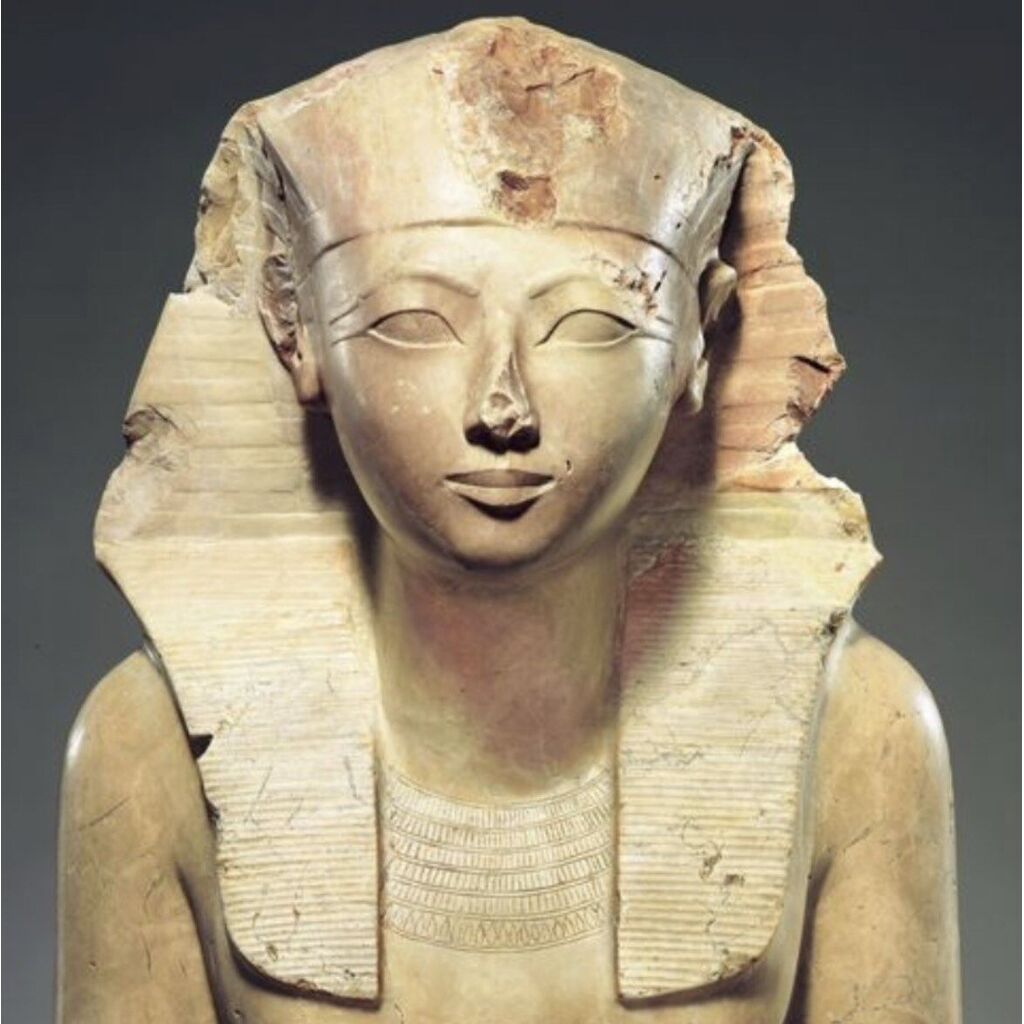
Ⲙⲉⲧⲣⲉⲙ̀ⲛⲭⲏⲙⲓ: north African language revival ↔ Indigenous Egyptian art as living archives
Wednesday May 6, 2026 9:45am - 10:45am EDT
Collective memory institutions have functioned as gatekeepers of Remenkeemi (Indigenous Egyptian) cultures and knowledges stolen and retold through colonizing tales and mythologies. Colonial institutions including libraries, archives, universities, and museums hold manuscripts and art in Metremenkeemi (language of the people of the Black Soil) written in several scripts (Hieroglyphic, Hieretic, Demotic, Coptic). Categorizing our Indigenous language and cultures as ‘ancient’ history violently erases the Niremenkeemi's centuries long fight to survive through art, oral histories, and familial practices. Indigenous languages and sacred artifacts held within colonial institutions are undervalued, severed, categorized as dead historical artifacts, and remain inaccessible for revitalization efforts.

The language revival process we embarked upon is a land-based practice reconnecting colonized and displaced north Africans with the lands and ancestors that made them. We share how language revival through varied art practices is a form of archiving that preserves our language as both a cultural praxis and acts of living. Further, our multigenerational engagement and outreach through language and art programming to build our living archive connects Niremenkeemi across generations strengthening our language revival process.

This pre-coordinated session includes three Niremenkeemi (Egyptian people) language revival journeyers who carry and intersect the skills of archiving, art-making, and scholarship to explore art and visual literacy as a simultaneously archiving and reviving tool for ancestral languages and the teachings woven within. We explore Metremenkeemi’s expressions and archives through art and share the collective journey we have embarked upon through ancestral language lessons, cultural revival, and at this time, art to propel us further into our language as a day-to-day praxis. Working against the dominance of gatekeeping and access, this panel shares examples of the various artworks, writings, and alternative publications being created by Niremenkeemi through our language revival arts project.

We also share the many ways colonial memory institutions gatekeep our ancestral scripts and sacred artifacts. Many are catalogued as ‘rare’ and remain imprisoned within inaccessible special collections. We reflect on the ways that digital platforms allow us to undo some of that gatekeeping. For example, the Living Keemi website and online video meeting platforms enabled us to participate in language lessons across time zones. Recording/archiving lessons by our language keeper allow sharing our language with artists needed for our language revival process. Simultaneously, we are navigating the precarity of digital preservation and planning around the colonizing tendencies of predatory technology. Our process requires an ethics of care as we introduce artists to the language, engage in art making, plan a hybrid art exhibit, and decolonize approaches for archiving and sharing language revival art.

Language revival is an indigenization process that resists erasure and initiates healing from colonial violence and trauma. Learning our ancestral language allows us to access our ancestral wisdoms and knowledges, for language holds the nuances and analogies that make meaning out of the world around us. At its core Indigenous language revival as an archival process decenters colonialism and white supremacy and advocates for social justice while opening portals towards new world making and healing.

About the moderator:
Erika DeFreitas is an interdisciplinary artist whose practice includes performance, photography, video, installation, textiles, drawing and writing. Placing emphasis on gesture, process, the body, documentation and paranormal phenomena, DeFreitas mines concepts of loss, post-memory, legacy and objecthood. Her work has been exhibited nationally and internationally. DeFreitas holds a Master of Visual Studies from the University of Toronto.
Speakers
MM

Marina Mikhail

Master of Information Student, Library Worker, Artist, and Community Archivist, University of Toronto
avatar for Viviane Saleh-Hanna

Viviane Saleh-Hanna

Professor, Black Studies + Justice Studies, University of Massachusetts, Dartmouth
Moderators
Wednesday May 6, 2026 9:45am - 10:45am EDT
Montreal 6
 
Share Modal

Share this link via

Or copy link

Filter sessions
Apply filters to sessions.
Filtered by Date -